

Can a 4th Axis be used in conjunction with other axes?
In the realm of CNC machining, the question of whether a 4th axis can be used in conjunction with other axes is not only relevant but also crucial for enhancing the capabilities and efficiency of machining operations. As a 4th axis supplier, I have witnessed firsthand the transformative impact of integrating a 4th axis with other axes in various manufacturing settings.
Understanding the Basics of a 4th Axis
Before delving into the compatibility and benefits of using a 4th axis with other axes, it's essential to understand what a 4th axis is. In CNC machining, the traditional three axes are the X, Y, and Z axes, which control linear movement in the horizontal, vertical, and depth directions respectively. A 4th axis, typically denoted as the A axis, adds rotational movement to the machining process. This rotational capability allows the workpiece to be positioned at different angles, enabling machining operations on multiple sides of the workpiece without the need for manual re - positioning.
Compatibility with Other Axes
The 4th axis is highly compatible with the other three linear axes (X, Y, and Z). This compatibility stems from the fundamental design of CNC control systems, which are engineered to manage multiple axes simultaneously. When a 4th axis is integrated with the existing X, Y, and Z axes, the CNC machine can perform complex machining tasks that were previously difficult or impossible.

For example, in a milling operation, the combination of the 4th axis with the X, Y, and Z axes allows for the creation of intricate curved surfaces and complex geometries. The 4th axis can rotate the workpiece while the cutting tool moves along the linear axes, enabling the machining of features such as helical grooves, turbine blades, and custom - shaped parts.
Benefits of Using a 4th Axis with Other Axes
Increased Machining Efficiency
One of the most significant benefits of using a 4th axis in conjunction with other axes is the increase in machining efficiency. By eliminating the need for manual re - positioning of the workpiece, the setup time between operations is significantly reduced. This means that more parts can be machined in less time, leading to higher productivity and lower production costs.
For instance, consider a part that requires machining on four different sides. Without a 4th axis, the operator would need to stop the machine, re - position the workpiece, and then restart the machining process for each side. With a 4th axis, the CNC machine can automatically rotate the workpiece to the desired position, allowing for continuous machining of all four sides in a single setup.
Enhanced Precision
The integration of a 4th axis with other axes also enhances the precision of machining operations. Since the workpiece is held securely in place during rotation, there is less chance of misalignment or movement that can occur during manual re - positioning. This results in more accurate and consistent part dimensions, which is crucial for industries such as aerospace and medical device manufacturing.
Expanded Design Capabilities
A 4th axis opens up a whole new world of design possibilities. Designers and engineers can create parts with more complex geometries and features that were previously unachievable. This allows for the development of innovative products and solutions that can give companies a competitive edge in the market. For example, the use of a 4th axis can enable the production of custom - designed automotive components with unique shapes and contours.
Applications of a 4th Axis in Conjunction with Other Axes
Aerospace Industry
In the aerospace industry, the demand for high - precision and complex components is extremely high. The combination of a 4th axis with other axes is used to machine parts such as turbine blades, engine components, and structural elements. These parts require precise machining on multiple sides and curved surfaces, which can be efficiently achieved using a 4th axis integrated CNC machine.
Medical Device Manufacturing
Medical device manufacturing requires the production of small, intricate, and highly precise parts. A 4th axis can be used to machine components such as implants, surgical instruments, and diagnostic equipment. The ability to rotate the workpiece and machine on multiple sides ensures that these parts meet the strict quality and precision requirements of the medical industry.
Automotive Industry
In the automotive industry, a 4th axis is used to manufacture a variety of components, including transmission parts, engine blocks, and custom - designed components. The integration of a 4th axis with other axes allows for the efficient production of parts with complex geometries, improving the overall performance and aesthetics of automotive products.
Related Products to Complement the 4th Axis
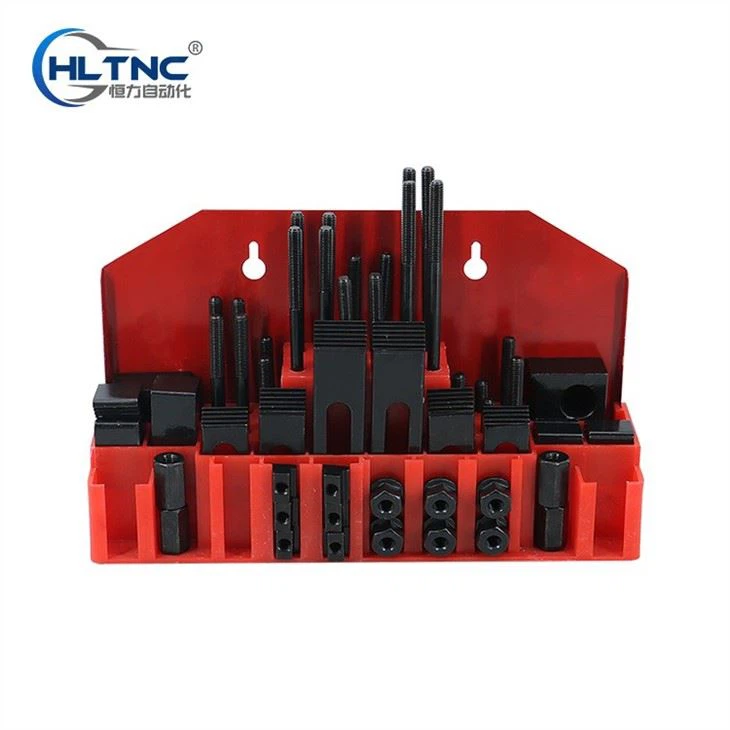
When using a 4th axis in conjunction with other axes, there are several related products that can enhance the machining process. For example, the 4 Flutes Hrc65 Carbide End Mill is a high - quality cutting tool that can provide excellent performance when machining complex geometries enabled by the 4th axis. The Rail - Mounted Switching Power Supply is essential for ensuring a stable power supply to the CNC machine, which is crucial for precise and efficient machining operations. Additionally, the Clamping Kits and Parts can be used to securely hold the workpiece during rotation, ensuring accuracy and safety.
Conclusion
In conclusion, a 4th axis can indeed be used in conjunction with other axes, and this combination offers numerous benefits in terms of efficiency, precision, and design capabilities. Whether in the aerospace, medical, or automotive industries, the integration of a 4th axis with the traditional X, Y, and Z axes has the potential to revolutionize the way parts are manufactured.
If you are interested in learning more about our 4th axis products and how they can be integrated into your machining operations, or if you have any specific requirements for your manufacturing processes, we invite you to reach out for a procurement discussion. Our team of experts is ready to provide you with detailed information and solutions tailored to your needs.
References
- "CNC Machining Handbook", Industrial Press Inc.
- "Advanced Manufacturing Technology", CRC Press.
- "Aerospace Manufacturing Technology", McGraw - Hill Education.


