Hey there! As a supplier of linear guides, I totally get that controlling costs is a big deal for businesses. In this blog post, I'm gonna share some tips and tricks on how you can keep those costs in check when it comes to linear guides. Whether you're a small startup or a large corporation, these strategies can help you make the most of your budget.
1. Know Your Requirements
The first step in cost - control is to have a crystal - clear understanding of your requirements. You need to figure out what kind of linear guide will work best for your specific application. Are you looking for a high - precision guide for a delicate operation, or a heavy - duty one for a more rugged environment?
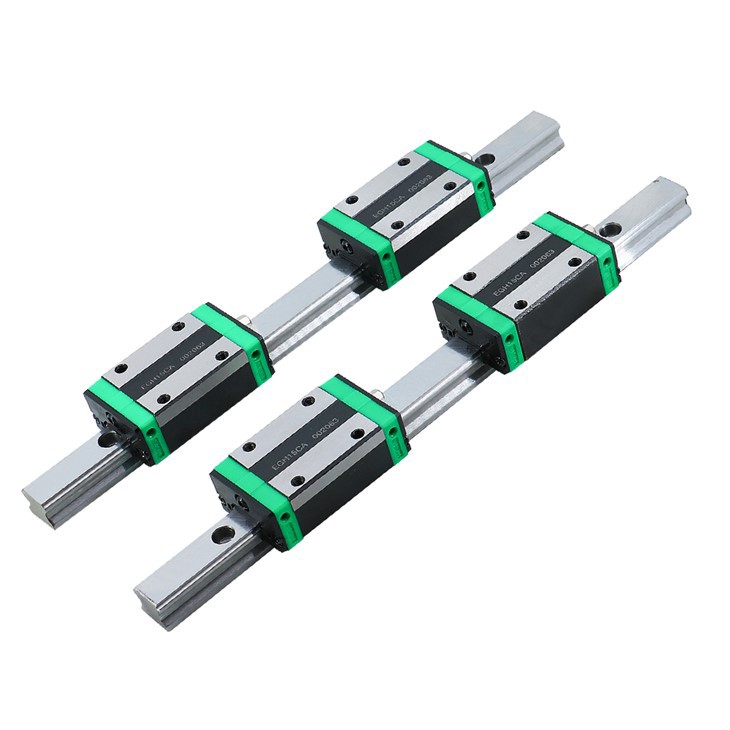
For instance, if you're in a cleanroom environment where precision is key, an HGR Linear Guide might be a great choice. These guides are known for their high accuracy and smooth operation. On the other hand, if you've got a system that needs to handle a lot of weight and rough usage, the EGR Guide could be more suitable. It's built tough and can withstand heavy loads.

By accurately defining your needs, you can avoid over - specifying and over - spending on a linear guide. You don't want to buy a top - of - the - line guide when a mid - range one would do the job just fine.
2. Compare Products and Suppliers
Don't just settle for the first linear guide you come across. Take the time to compare different products and suppliers. There are a ton of options out there, and prices can vary widely.
Look at the features of each guide. Some might come with additional coatings that increase their lifespan, while others could have different ball - bearing arrangements that affect their performance. You might find that a slightly more expensive guide actually gives you better long - term value because it lasts longer and requires less maintenance.
When comparing suppliers, pay attention to things like warranty, customer service, and delivery times. A supplier with a good warranty can save you money in case something goes wrong with the guide. And fast delivery can prevent costly downtime in your production line.
3. Consider Long - Term Costs
When purchasing a linear guide, it's easy to focus only on the upfront cost. But you also need to think about the long - term costs. Maintenance, replacement parts, and energy consumption can all add up over time.
For example, if you choose a linear guide that requires frequent lubrication, you'll have to factor in the cost of the lubricant and the labor to apply it. On the other hand, some guides are designed to be maintenance - free or require very little maintenance. These can save you a significant amount of money in the long run.
Also, think about the energy efficiency of the guide. A more efficient guide can reduce your energy consumption, which means lower utility bills. The TBR Support Rail is an option that offers good performance and can potentially be energy - efficient, depending on your application.
4. Bulk Purchasing
If your business has a continuous need for linear guides, consider buying in bulk. Many suppliers offer discounts for large orders. By purchasing a larger quantity at once, you can save a substantial amount of money per unit.
However, before you go for bulk purchasing, make sure you have enough storage space and that the guides have a long enough shelf - life. You don't want to end up with a bunch of expired or damaged guides sitting in your warehouse.
5. Optimize Design
Working closely with your engineering and design teams can also help control costs. They can optimize the design of your equipment to use the linear guides more efficiently.
For example, they might be able to design the machinery in such a way that it puts less stress on the guides. This can extend the lifespan of the guides and reduce the frequency of replacements. Additionally, they can look for ways to use fewer guides without compromising the performance of the system.
6. Regular Maintenance
Proper maintenance is crucial for keeping the cost of linear guides down. Regularly cleaning and inspecting the guides can prevent premature wear and tear. You can catch small issues early on and fix them before they turn into major, expensive problems.
Create a maintenance schedule and stick to it. Train your staff on how to properly maintain the linear guides. This might include simple tasks like checking for loose screws, cleaning the tracks, and lubricating if necessary.
7. Repair Instead of Replace
Sometimes, a linear guide might seem to be beyond repair, but in many cases, it can be fixed. Instead of immediately replacing a guide when it shows signs of wear or damage, see if it can be repaired.
Look for a professional repair service that specializes in linear guides. They can assess the damage and determine if a repair is possible. In many cases, a repair can be much cheaper than buying a brand - new guide.
8. Stay Informed About Market Trends
The linear guide market is constantly evolving. New technologies and materials are being developed all the time, which can lead to better - performing and more cost - effective products.
Stay up - to - date with industry news, attend trade shows, and read relevant publications. By being aware of the latest trends, you can take advantage of new products that offer more value for your money.
Let's Talk
Controlling the cost of linear guides is all about making smart decisions. By following these tips, you can ensure that you're getting the most bang for your buck. If you're interested in learning more about our linear guide products or have any questions regarding cost - control in your specific application, I'd love to have a chat. Reach out to us, and we can start a discussion about how we can help you meet your needs while keeping costs under control.
References
- Industry reports on linear guide technology
- Manufacturer's specifications for various linear guide models
- Case studies on cost - effective linear guide usage in different industries