

Hey there! As a CNC part supplier, I know how crucial it is to ensure the flatness of CNC parts. Flatness is a key factor that can significantly impact the performance and functionality of these parts in various applications. In this blog, I'll share some tips and tricks on how to make sure your CNC parts are as flat as they can be.
Understanding Flatness in CNC Parts
First things first, let's talk about what flatness means in the context of CNC parts. Flatness refers to the condition where a surface of a part lies in a single plane without any significant deviations. Even the slightest variation in flatness can lead to problems like poor fit, uneven stress distribution, and reduced overall quality.
When it comes to CNC machining, achieving flatness is not always a walk in the park. There are several factors that can affect the flatness of the final part, including the material properties, machining processes, and the equipment used.
Choosing the Right Material
The material you choose for your CNC parts plays a vital role in determining their flatness. Different materials have different characteristics, such as thermal expansion coefficients and internal stresses, which can influence how the part behaves during and after machining.
For instance, metals like aluminum and steel are commonly used in CNC machining. Aluminum is lightweight and has good machinability, but it can be prone to warping if not properly handled. Steel, on the other hand, is stronger and more rigid, but it may require more precise machining techniques to achieve the desired flatness.
When selecting a material, it's important to consider the specific requirements of your application. If you need a part with high flatness and dimensional stability, you might opt for a material with low thermal expansion and minimal internal stresses.
Machining Techniques for Flatness
Now, let's dive into some of the machining techniques that can help you ensure the flatness of your CNC parts.
Precision Milling
Milling is one of the most common machining processes used to create flat surfaces on CNC parts. To achieve high flatness during milling, it's essential to use sharp cutting tools and proper cutting parameters. Dull tools can cause uneven cutting forces, which can lead to surface irregularities and reduced flatness.

Additionally, using a high-quality milling machine with accurate linear guides and spindle bearings can help minimize vibrations and ensure consistent cutting. Taking multiple light passes rather than one heavy cut can also help improve the flatness of the surface.
Grinding
Grinding is another effective method for achieving extremely high flatness on CNC parts. This process involves removing small amounts of material using an abrasive wheel. Grinding can be used to finish surfaces that require tight tolerances and high surface quality.
When grinding, it's important to use the right grinding wheel and coolant to prevent overheating and minimize the risk of thermal damage to the part. Proper dressing of the grinding wheel is also crucial to maintain its cutting efficiency and ensure consistent flatness.
Heat Treatment
Heat treatment can be used to relieve internal stresses in CNC parts, which can improve their flatness and dimensional stability. Processes like annealing, normalizing, and stress relieving can help reduce the residual stresses that are often introduced during machining.
However, it's important to note that heat treatment can also cause some distortion in the part. Therefore, it's essential to carefully control the heat treatment process and take appropriate measures to minimize any potential distortion.
Using the Right Equipment
Investing in high-quality CNC machining equipment is essential for ensuring the flatness of your parts. Here are some key pieces of equipment that can make a big difference:
Laser Chiller
A Laser Chiller is an important component in CNC machining, especially when using laser cutting or engraving machines. Laser chillers help maintain a stable temperature of the laser source, which can improve the accuracy and quality of the machining process. By keeping the laser at a consistent temperature, you can reduce the risk of thermal expansion and contraction, which can affect the flatness of the parts.
Clamping Kits and Parts
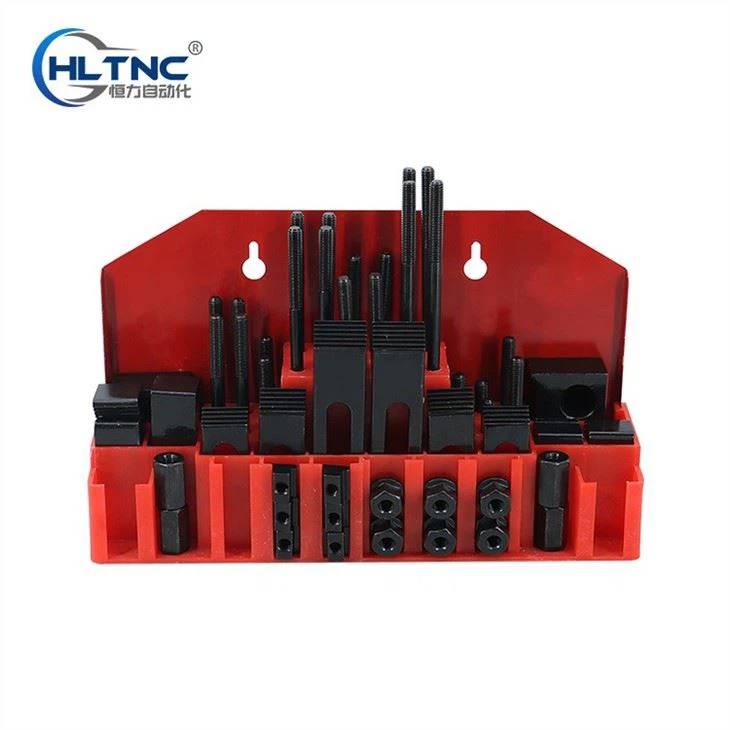
Proper clamping is crucial for ensuring the stability of the workpiece during machining. Using high-quality Clamping Kits and Parts can help prevent the part from moving or vibrating, which can lead to uneven cutting and reduced flatness.
There are various types of clamping kits available, including vise jaws, clamps, and fixtures. It's important to choose the right clamping method and equipment based on the size, shape, and material of the part.
Ball Screw Z Axis 3d Printer
In some cases, you may be using a Ball Screw Z Axis 3d Printer for CNC machining. Ball screws are known for their high precision and smooth motion, which can help improve the accuracy and flatness of the parts.
When using a ball screw Z axis, it's important to ensure that the screw is properly lubricated and maintained to prevent wear and tear. Regular calibration of the printer can also help ensure that the parts are printed with the desired flatness.
Quality Control and Inspection
Once the CNC parts are machined, it's important to perform quality control and inspection to ensure that they meet the required flatness specifications. Here are some common methods for inspecting flatness:
Surface Plate Inspection
Surface plate inspection involves placing the part on a precision surface plate and using a feeler gauge or a height gauge to measure the deviations from the flat surface. This method is relatively simple and can provide a quick assessment of the part's flatness.
Coordinate Measuring Machine (CMM)
A CMM is a more advanced inspection tool that can provide highly accurate measurements of the part's dimensions and flatness. CMMs use a probe to measure the surface of the part at multiple points, and the data is then analyzed to determine the flatness error.
Optical Inspection
Optical inspection methods, such as laser scanning and interferometry, can also be used to measure the flatness of CNC parts. These methods are non-contact and can provide detailed information about the surface topography of the part.
Conclusion
Ensuring the flatness of CNC parts is a critical aspect of the manufacturing process. By choosing the right material, using appropriate machining techniques, investing in high-quality equipment, and performing thorough quality control and inspection, you can produce CNC parts with excellent flatness and dimensional accuracy.
If you're in the market for high-quality CNC parts or need more information about ensuring flatness, don't hesitate to reach out. We're here to help you with all your CNC part needs and ensure that you get the best possible products for your applications.
References
- Smith, J. (2020). CNC Machining Handbook. ABC Publishing.
- Jones, R. (2019). Precision Manufacturing Techniques. XYZ Press.
- Brown, S. (2018). Quality Control in CNC Machining. DEF Publications.


