

In the realm of mechanical engineering and industrial automation, linear guides play a pivotal role in ensuring smooth and precise linear motion. As a seasoned linear guide supplier, I've encountered numerous inquiries regarding the load capacity of linear guides. This blog aims to delve deep into the concept of load capacity, exploring its significance, influencing factors, and how it impacts the performance of linear guides.
Understanding Load Capacity
Load capacity refers to the maximum amount of force or weight that a linear guide can withstand while maintaining its normal operation and performance. It is a crucial parameter that directly affects the reliability and durability of the linear guide system. There are two main types of load capacities to consider: static load capacity and dynamic load capacity.
Static Load Capacity
Static load capacity is the maximum load that a linear guide can support when it is stationary. It represents the load at which permanent deformation of the rolling elements or raceways may occur. This capacity is essential for applications where the linear guide is subjected to constant or intermittent static loads, such as holding a heavy workpiece in place.
Dynamic Load Capacity
Dynamic load capacity, on the other hand, is the maximum load that a linear guide can handle during continuous operation. It takes into account the effects of motion, such as acceleration, deceleration, and vibration. Dynamic load capacity is a critical factor for applications involving high-speed linear motion, such as CNC machines and robotic arms.
Factors Influencing Load Capacity
Several factors can influence the load capacity of a linear guide. Understanding these factors is essential for selecting the right linear guide for your specific application.
Guide Rail Design
The design of the guide rail plays a significant role in determining its load capacity. Factors such as the shape, size, and material of the guide rail can affect its strength and stiffness. For example, a wider and thicker guide rail generally has a higher load capacity than a narrower and thinner one. Additionally, the use of high-strength materials, such as stainless steel or hardened steel, can enhance the load-bearing capacity of the guide rail.
Rolling Element Type
The type of rolling elements used in the linear guide also affects its load capacity. There are two main types of rolling elements: balls and rollers. Ball bearings offer low friction and high-speed performance, but they have a relatively lower load capacity compared to roller bearings. Roller bearings, on the other hand, can withstand higher loads and are more suitable for applications requiring heavy-duty performance.
Preload
Preload is the amount of force applied to the rolling elements in the linear guide to eliminate play and improve stiffness. Applying an appropriate preload can enhance the load capacity and accuracy of the linear guide. However, excessive preload can increase friction and reduce the service life of the linear guide. Therefore, it is essential to select the right preload level based on your specific application requirements.
Operating Conditions
The operating conditions of the linear guide, such as temperature, humidity, and contamination, can also affect its load capacity. High temperatures can cause the material of the guide rail and rolling elements to expand, which may lead to increased friction and reduced load capacity. Contamination, such as dust and debris, can also damage the rolling elements and raceways, reducing the load-bearing capacity of the linear guide.

Calculating Load Capacity
Calculating the load capacity of a linear guide is a complex process that requires considering multiple factors. Most linear guide manufacturers provide load capacity charts and calculation formulas based on their specific product designs. These charts and formulas take into account factors such as the type of load (static or dynamic), the direction of the load, and the operating conditions.
When calculating the load capacity, it is important to consider the actual load conditions in your application. This includes the magnitude, direction, and distribution of the load, as well as any additional forces or moments acting on the linear guide. By accurately calculating the load capacity, you can select a linear guide that can safely and reliably handle the expected loads in your application.
Importance of Load Capacity in Application
Selecting a linear guide with the appropriate load capacity is crucial for ensuring the optimal performance and reliability of your linear motion system. If the load capacity of the linear guide is insufficient, it may lead to premature wear, deformation, or failure of the guide rail and rolling elements. This can result in reduced accuracy, increased maintenance costs, and even system downtime.
On the other hand, selecting a linear guide with a higher load capacity than necessary can also be wasteful and costly. It may result in a larger and heavier linear guide, which can increase the overall weight and cost of the system. Therefore, it is essential to strike a balance between load capacity and cost when selecting a linear guide for your application.
Our Linear Guide Products
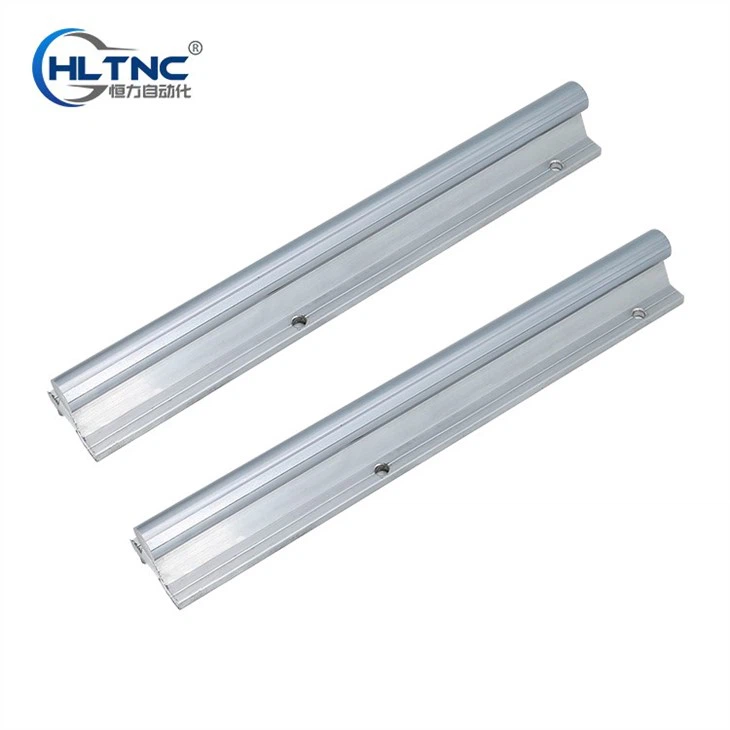
As a leading linear guide supplier, we offer a wide range of linear guides with different load capacities to meet the diverse needs of our customers. Our product portfolio includes Linear Bearings And Rails, which are designed for high-speed and precision applications. We also offer SBR Support Rail and SBR Support Rail, which are suitable for heavy-duty applications requiring high load capacity.
Our linear guides are manufactured using advanced technology and high-quality materials to ensure superior performance and reliability. We also provide customized solutions to meet the specific requirements of our customers. Whether you need a linear guide for a small-scale project or a large industrial application, we have the expertise and resources to provide you with the right solution.
Contact Us for Purchase and Consultation
If you are looking for a reliable linear guide supplier or need more information about our products, please feel free to contact us. Our team of experts is always ready to assist you in selecting the right linear guide for your application. We can provide you with detailed product specifications, load capacity calculations, and technical support to ensure that you make an informed decision.
Investing in the right linear guide with the appropriate load capacity is essential for the success of your linear motion system. By choosing our linear guide products, you can ensure smooth and precise linear motion, high reliability, and long service life. Contact us today to start your procurement process and take your application to the next level.
References
- "Linear Motion Technology Handbook" by Thomson Industries
- "Mechanical Design Handbook" by Robert C. Juvinall and Kurt M. Marshek
- "Engineering Mechanics: Statics and Dynamics" by R.C. Hibbeler


