Hey there! As a supplier of CNC end mills, I often get asked about the different aspects of these tools. One question that comes up quite a bit is, "What is the role of the core diameter in a CNC end mill?" Well, let's dive right into it.
First off, the core diameter of a CNC end mill is basically the diameter of the central part of the tool, right where the flutes start to curve in towards the center. It might not seem like a big deal at first glance, but it actually plays a super important role in how the end mill performs.

One of the main things the core diameter affects is the strength of the end mill. A larger core diameter means the end mill has more material in the center, which makes it stronger and more rigid. This is crucial when you're dealing with tough materials or high - speed machining. For example, if you're cutting through stainless steel, a end mill with a larger core diameter can handle the high cutting forces without bending or breaking easily. On the other hand, a smaller core diameter makes the end mill more flexible, but it also means it's less strong. This can be useful in some situations where you need to do more delicate work, like finishing a surface with a light cut.
Another aspect is chip evacuation. The flutes on a CNC end mill are designed to remove the chips generated during cutting. The core diameter impacts how well these chips can be cleared out. A larger core diameter leaves less space between the flutes, which can make it harder for chips to escape. However, if the end mill is designed correctly, it can still manage chip evacuation effectively. In contrast, a smaller core diameter provides more space for chips to flow out, which can prevent chip clogging. Chip clogging is a real pain because it can lead to poor surface finish, increased cutting forces, and even damage to the end mill.
The core diameter also has an influence on the cutting speed and feed rate. When you have a larger core diameter, you can generally increase the cutting speed and feed rate because the end mill is stronger. This means you can get the job done faster. But you have to be careful not to push it too hard, or you might still damage the tool. With a smaller core diameter, you'll usually have to use lower cutting speeds and feed rates to avoid overloading the end mill.
Now, let's talk about how these concepts apply in real - world scenarios. Say you're working on a project where you need to make a deep pocket in a block of aluminum. You might choose an end mill with a relatively large core diameter. This will give you the strength needed to handle the deep cut, and with the right flute design, you can still achieve good chip evacuation. On the other hand, if you're doing some precision engraving on a plastic part, a end mill with a smaller core diameter would be a better choice. It can make the fine cuts required for the engraving without causing too much stress on the material.
When it comes to choosing the right core diameter for your CNC end mill, there are a few factors to consider. The material you're cutting is probably the most important one. Harder materials like titanium or hardened steel usually require end mills with larger core diameters. Softer materials, such as wood or plastics, can often be cut with end mills having smaller core diameters. The type of operation you're performing also matters. Roughing operations typically need stronger end mills with larger core diameters, while finishing operations can benefit from more flexible end mills with smaller core diameters.
It's also worth mentioning that the core diameter is related to other features of the end mill, like the number of flutes. For example, an end mill with more flutes and a larger core diameter can provide a better surface finish, but it might have more issues with chip evacuation. So, you need to find the right balance.
In the CNC machining world, having the right tools is essential. And understanding the role of the core diameter in a CNC end mill is a key part of making the right tool selection. At our company, we offer a wide range of CNC end mills with different core diameters to meet all your machining needs. Whether you're a small - scale hobbyist or a large - scale industrial manufacturer, we've got you covered.
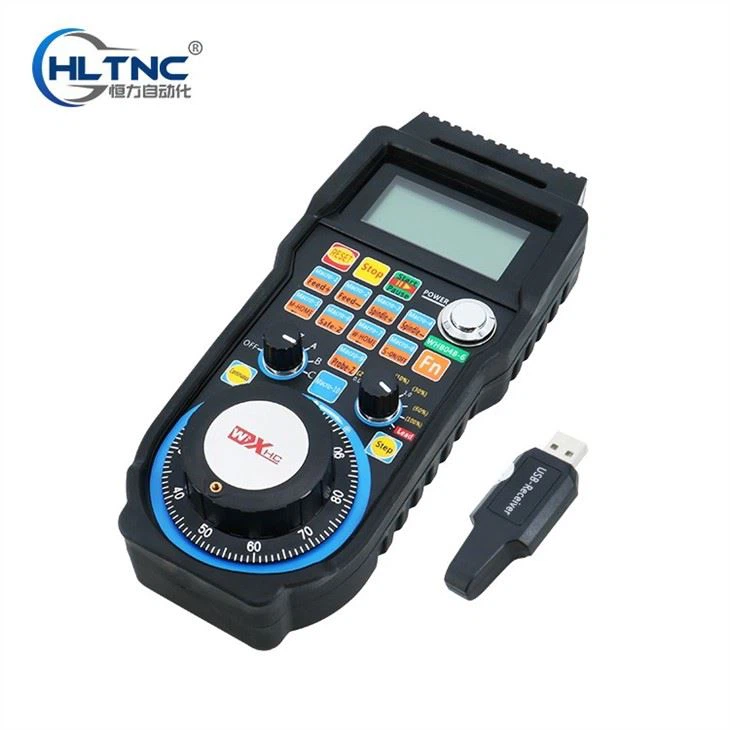
If you're in the market for high - quality CNC end mills, don't hesitate to reach out to us. We can help you choose the perfect end mill with the right core diameter for your specific project. And while you're at it, check out some of the other CNC parts we have available. For instance, we offer Angular Contact Bearing 700Zac, which is great for applications where high - speed and high - precision are required. Our End Support Bearing is also a must - have for ensuring the stability of your CNC machine. And if you're looking for a reliable way to control your CNC machine manually, our Electronic Pulse Handwheel is a top - notch option.
In conclusion, the core diameter of a CNC end mill is not just a random number. It has a significant impact on the strength, chip evacuation, cutting speed, and overall performance of the tool. By understanding its role, you can make more informed decisions when it comes to choosing the right end mill for your machining tasks. So, if you have any questions or need further advice on CNC end mills or any of our other CNC parts, feel free to contact us. We're here to help you get the best results in your machining projects.
References
- Machining Handbook, various editions
- Online forums and communities for CNC machining enthusiasts
- Technical papers from leading tool manufacturers in the CNC industry