

As a supplier of HGR Linear Guides, I've been frequently asked whether the weight of these guides has an impact on their performance. This question is not only relevant to our customers but also crucial for us in understanding how to optimize our products. In this blog, I'll delve into this topic, exploring the relationship between the weight of HGR Linear Guides and their performance.
Understanding HGR Linear Guides
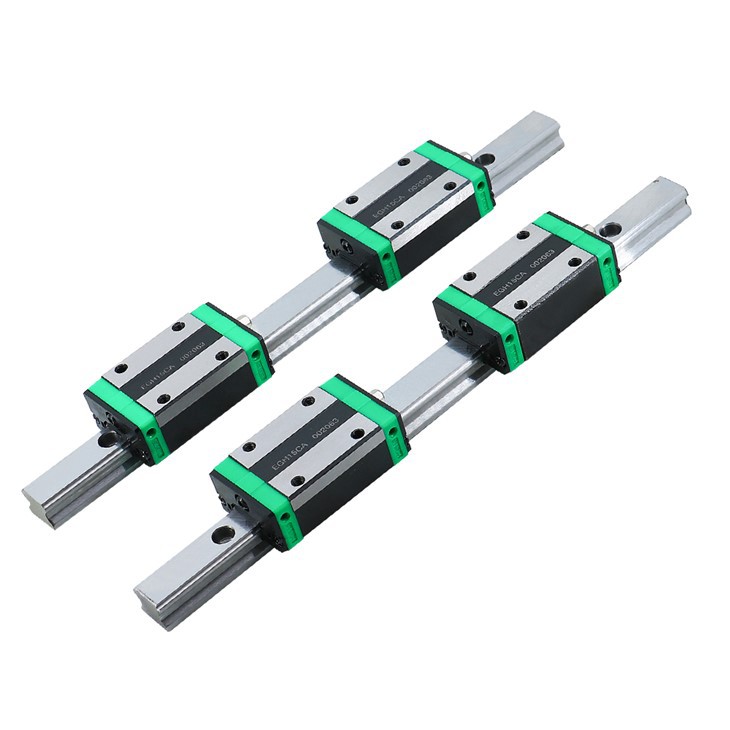
Before we discuss the impact of weight, let's briefly understand what HGR Linear Guides are. HGR Linear Guides are precision mechanical components used in various industrial applications, such as CNC machines, automation equipment, and robotics. They provide smooth linear motion, high load - bearing capacity, and excellent positioning accuracy. These guides consist of a rail and a carriage, which move relative to each other with low friction.
Factors Affecting the Weight of HGR Linear Guides
The weight of HGR Linear Guides can be influenced by several factors. Firstly, the material used in manufacturing plays a significant role. For example, if the guide is made of high - density steel, it will be heavier compared to one made of aluminum alloy. The size of the guide also matters. Larger guides with longer rails and wider carriages generally weigh more. Additionally, the design features, such as the presence of additional reinforcement or special coatings, can add to the overall weight.
Impact of Weight on Load - Bearing Capacity
One of the primary performance aspects affected by the weight of HGR Linear Guides is their load - bearing capacity. In general, a heavier guide can potentially support a greater load. This is because a heavier guide often implies a more robust structure and a larger cross - sectional area. The increased mass can distribute the load more evenly across the guide, reducing the stress on individual components. For instance, in heavy - duty industrial applications where large loads need to be moved, a heavier HGR Linear Guide may be the preferred choice. However, it's important to note that load - bearing capacity is not solely determined by weight. The material properties, internal design, and manufacturing quality also contribute significantly.
Influence on Motion Smoothness
The weight of HGR Linear Guides can also affect the smoothness of motion. A heavier guide may have more inertia, which can make it more resistant to sudden changes in motion. This can be beneficial in applications where stable and consistent motion is required. On the other hand, if the guide is too heavy, it may require more force to start and stop the motion, leading to increased energy consumption. Moreover, in high - speed applications, the extra weight can cause vibrations and reduce the overall dynamic performance. For high - speed automation systems, a lighter guide might be more suitable to ensure quick acceleration and deceleration without sacrificing smoothness.
Effect on Installation and Maintenance
The weight of HGR Linear Guides has implications for installation and maintenance. Heavier guides can be more difficult to handle during installation, requiring additional equipment and manpower. This can increase the installation time and cost. In terms of maintenance, a heavier guide may be more challenging to remove and replace if a component fails. On the contrary, lighter guides are easier to install and maintain, which can lead to lower overall operating costs.
Compatibility with Other Components
Another aspect to consider is the compatibility of the HGR Linear Guide's weight with other components in the system. For example, if the guide is part of a robotic arm, a heavy guide may put additional stress on the joints and motors, reducing their lifespan. The weight of the guide needs to be balanced with the capabilities of the associated components to ensure optimal system performance.
Real - World Examples
Let's look at some real - world examples to illustrate the impact of weight on HGR Linear Guide performance. In a CNC machining center, a heavy - duty HGR Linear Guide is used to support the cutting head. The extra weight of the guide allows it to withstand the high cutting forces and maintain high precision during the machining process. However, in a pick - and - place robot used in an electronics assembly line, a lighter guide is preferred to enable fast and accurate movements.
Comparing with Other Linear Guide Types
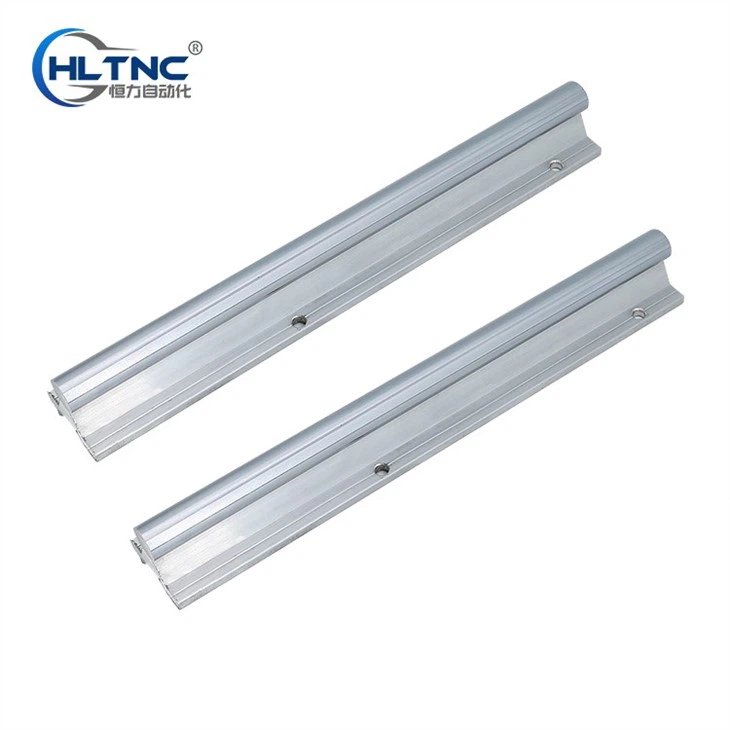
When considering the weight - performance relationship of HGR Linear Guides, it's also useful to compare them with other types of linear guides. For example, the EGR Guide may have different weight characteristics and performance trade - offs. Similarly, the SBR Support Rail and TBR Support Rail offer alternative options with their own weight - related advantages and disadvantages.
Conclusion
In conclusion, the weight of HGR Linear Guides does have a significant impact on their performance. While a heavier guide may offer better load - bearing capacity and stability in some cases, it can also pose challenges in terms of motion smoothness, installation, and compatibility with other components. On the other hand, a lighter guide can provide advantages in high - speed applications and ease of installation and maintenance. As a supplier, we understand the importance of finding the right balance between weight and performance for our customers. We offer a wide range of HGR Linear Guides with different weights and specifications to meet the diverse needs of various industries.
If you're interested in learning more about our HGR Linear Guides or need assistance in selecting the right product for your application, please feel free to contact us. Our team of experts is ready to provide you with professional advice and support. We look forward to discussing your requirements and working together to achieve the best results for your projects.
References
- "Fundamentals of Linear Motion Technology" by John Smith
- "Industrial Automation Handbook" edited by Jane Doe
- Manufacturer's technical documentation for HGR Linear Guides


