

What is a ball screw?

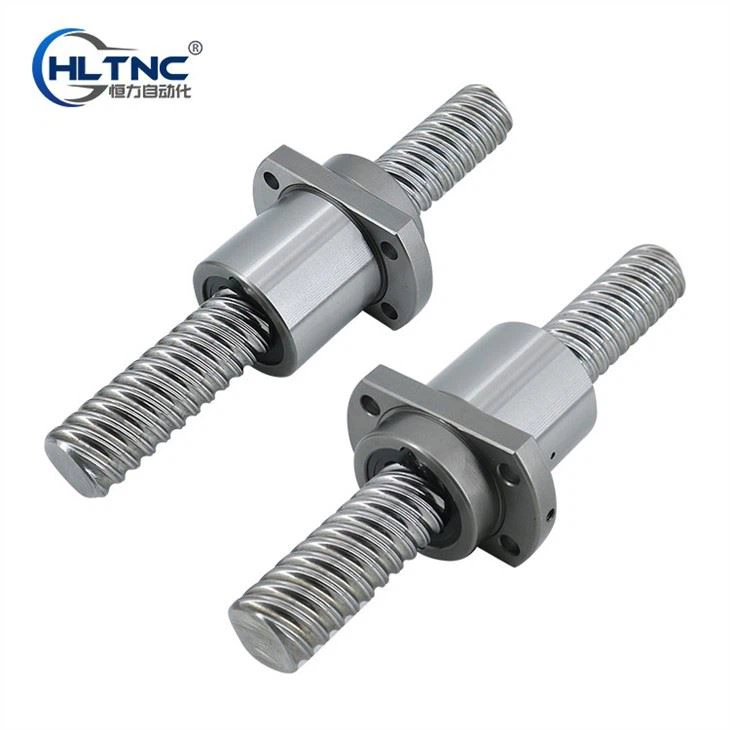
In the world of mechanical engineering and precision motion control, ball screws play a pivotal role. As a ball screw supplier, I've had the privilege of witnessing firsthand the significance and versatility of these remarkable components. In this blog post, I'll delve into what a ball screw is, how it works, its applications, and the different types we offer.
What is a Ball Screw?
A ball screw is a mechanical linear actuator that translates rotational motion into linear motion with high efficiency and precision. It consists of a screw shaft with a helical groove and a nut that contains a series of ball bearings. The ball bearings roll between the screw shaft and the nut, reducing friction and enabling smooth and accurate linear movement.
The basic concept of a ball screw is similar to that of a traditional lead screw, but with a significant improvement in terms of efficiency and performance. While a lead screw relies on sliding friction between the screw and the nut, a ball screw uses rolling friction, which results in much lower friction losses and higher mechanical efficiency.
How Does a Ball Screw Work?
The operation of a ball screw is relatively straightforward. When the screw shaft rotates, the ball bearings within the nut roll along the helical groove of the screw shaft. As the ball bearings move, they cause the nut to move linearly along the screw shaft. The direction of linear motion depends on the direction of rotation of the screw shaft.
The key to the high efficiency of a ball screw lies in the use of ball bearings. The rolling motion of the ball bearings reduces friction and wear, allowing the ball screw to achieve high levels of precision and repeatability. Additionally, the ball bearings provide a smooth and continuous motion, which is essential for many applications that require precise positioning and control.
Applications of Ball Screws
Ball screws are used in a wide range of industries and applications where precise linear motion control is required. Some of the common applications of ball screws include:
- Machine Tools: Ball screws are widely used in machine tools such as CNC machining centers, lathes, and milling machines. They provide the precise linear motion required for accurate cutting, drilling, and milling operations.
- Robotics: In robotics, ball screws are used to control the movement of robot arms and joints. They enable precise positioning and movement of the robot, allowing it to perform complex tasks with high accuracy.
- Automotive Industry: Ball screws are used in automotive applications such as power steering systems, throttle control, and transmission systems. They provide the smooth and precise linear motion required for these systems to operate efficiently.
- Aerospace Industry: In the aerospace industry, ball screws are used in aircraft landing gear, flight control systems, and satellite positioning systems. They are essential for ensuring the safety and reliability of these critical systems.
- Medical Equipment: Ball screws are used in medical equipment such as surgical robots, imaging systems, and patient positioning devices. They provide the precise linear motion required for these devices to perform accurate and delicate procedures.
Types of Ball Screws
As a ball screw supplier, we offer a variety of ball screw types to meet the diverse needs of our customers. Some of the common types of ball screws we offer include:
- SFE Ball Screw: The SFE ball screw is a high-precision ball screw designed for applications that require high accuracy and reliability. It features a preloaded nut and a high-quality screw shaft, which ensures smooth and precise linear motion.
- DFU Ball Screw: The DFU ball screw is a cost-effective ball screw that offers good performance and reliability. It is suitable for applications that do not require extremely high precision but still need smooth and efficient linear motion.
- SFU Ball Screw: The SFU ball screw is a popular ball screw type that is widely used in various applications. It offers a good balance between performance and cost, making it a versatile choice for many customers.
Advantages of Using Ball Screws
There are several advantages to using ball screws in your applications. Some of the key advantages include:
- High Efficiency: Ball screws have a much higher mechanical efficiency compared to traditional lead screws. This means that they require less energy to operate, resulting in lower operating costs.
- High Precision: Ball screws offer high levels of precision and repeatability, making them ideal for applications that require accurate positioning and control.
- Long Service Life: The use of ball bearings in ball screws reduces friction and wear, resulting in a longer service life compared to other types of linear actuators.
- Smooth and Quiet Operation: The rolling motion of the ball bearings in ball screws provides a smooth and quiet operation, which is essential for many applications that require low noise levels.
- High Load Capacity: Ball screws are capable of handling high loads, making them suitable for applications that require heavy-duty linear motion.
Choosing the Right Ball Screw
When choosing a ball screw for your application, there are several factors to consider. Some of the key factors include:
- Load Capacity: The load capacity of the ball screw is an important consideration. You need to choose a ball screw that is capable of handling the maximum load that will be applied to it.
- Precision Requirements: The precision requirements of your application will determine the type of ball screw you need. If you require high precision, you may need to choose a ball screw with a higher accuracy rating.
- Speed Requirements: The speed requirements of your application will also affect your choice of ball screw. You need to choose a ball screw that is capable of operating at the required speed without compromising on performance.
- Environmental Conditions: The environmental conditions in which the ball screw will operate are also important. If the ball screw will be exposed to harsh conditions such as dust, moisture, or high temperatures, you may need to choose a ball screw that is designed to withstand these conditions.
Conclusion
In conclusion, ball screws are essential components in many industries and applications where precise linear motion control is required. As a ball screw supplier, we are committed to providing our customers with high-quality ball screws that meet their specific needs. Whether you need a high-precision ball screw for a machine tool or a cost-effective ball screw for a general application, we have the expertise and experience to help you choose the right ball screw for your project.
If you're interested in learning more about our ball screw products or have any questions about ball screws in general, please don't hesitate to contact us. We'd be happy to discuss your requirements and provide you with a customized solution. Let's work together to achieve your precision motion control goals.
References
- "Ball Screws: Design and Applications" by Frederick F. Ling.
- "Mechanical Design Handbook" by Robert C. Juvinall and Kurt M. Marshek.
- "Precision Motion Control: Ball Screws and Linear Guides" by Schneeberger Group.


