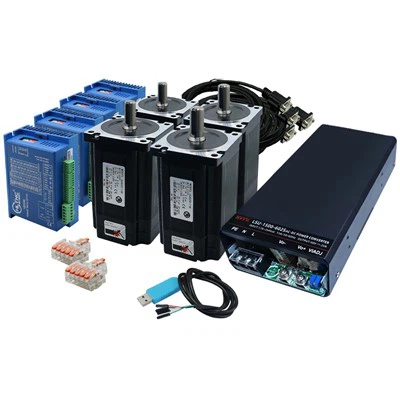
Maintaining a motor driver is crucial for ensuring its optimal performance, longevity, and reliability. As a supplier of motors and drivers, I understand the significance of proper maintenance in keeping these essential components in top - notch condition. In this blog, I'll share some key practices on how to maintain a motor driver effectively.
1. Regular Inspection
Regular inspection is the first line of defense in maintaining a motor driver. Visual inspections should be carried out frequently. Check for any signs of physical damage such as cracks on the casing, loose connections, or burnt components. Loose connections can lead to arcing, which not only affects the performance of the driver but can also pose a safety hazard.
Inspect the printed circuit board (PCB) for any signs of corrosion or discoloration. Corrosion can occur due to exposure to moisture or harsh environmental conditions. If corrosion is detected, it should be addressed immediately to prevent further damage to the electronic components.
Check the cooling fans and heat sinks. The cooling system is vital for dissipating the heat generated by the motor driver during operation. A clogged or malfunctioning fan can cause the driver to overheat, leading to premature failure. Clean the fans regularly to remove dust and debris, and ensure that they are spinning freely.
2. Environmental Considerations
The environment in which the motor driver operates plays a significant role in its maintenance. Motor drivers should be installed in clean, dry, and well - ventilated areas. High humidity can cause moisture to accumulate on the components, leading to corrosion and short - circuits.
Avoid exposing the motor driver to extreme temperatures. Most motor drivers have a specified operating temperature range. Operating the driver outside of this range can cause thermal stress on the components, reducing their lifespan. If the operating environment is hot, additional cooling measures such as air conditioning or heat exchangers may be required.
Dust and dirt can also be a major problem. Dust can accumulate on the components and clog the cooling system. In industrial environments where there is a high level of dust, it may be necessary to install dust filters or enclosures to protect the motor driver.
3. Power Supply Management
A stable power supply is essential for the proper functioning of a motor driver. Fluctuations in the power supply can cause the driver to malfunction or even damage its components. Use a high - quality power supply that can provide a consistent voltage and current.


Install surge protectors to safeguard the motor driver from power surges. Power surges can occur due to lightning strikes, electrical grid disturbances, or the switching on and off of large electrical equipment. A surge protector can divert the excess voltage away from the driver, protecting it from damage.
Regularly monitor the power supply voltage and current. If there are any significant fluctuations, investigate the cause and take corrective action. This may involve checking the electrical wiring, the power source, or the load connected to the motor driver.
4. Firmware and Software Updates
Many modern motor drivers come with firmware or software that controls their operation. These updates often contain bug fixes, performance improvements, and new features. Regularly check the manufacturer's website for firmware and software updates for your motor driver.
Before installing an update, make sure to back up any important data or settings. Follow the manufacturer's instructions carefully when installing the update. Incorrect installation of firmware or software updates can cause the motor driver to malfunction or become inoperable.
5. Lubrication (if applicable)
Some motor drivers may have moving parts that require lubrication. Check the manufacturer's specifications to determine if your motor driver has any components that need lubrication. Use the recommended lubricant and follow the proper lubrication schedule.
Over - lubrication can be just as harmful as under - lubrication. Excess lubricant can attract dust and dirt, leading to clogging and increased wear on the components. Make sure to apply the lubricant in the correct amount and in the appropriate locations.
6. Testing and Calibration
Periodically test the motor driver to ensure that it is functioning correctly. Use testing equipment such as multimeters, oscilloscopes, and logic analyzers to measure the electrical parameters of the driver. Check the output voltage, current, frequency, and other relevant parameters against the manufacturer's specifications.
Calibration is also important to ensure accurate operation. If the motor driver is used to control the speed or position of a motor, calibration may be required to maintain the desired accuracy. Follow the manufacturer's calibration procedures to ensure that the driver is calibrated correctly.
Specific Maintenance for Different Types of Motor Drivers
Small AC Motor
Small AC motors are widely used in various applications, from household appliances to industrial equipment. When maintaining a driver for a Small AC Motor, pay special attention to the power factor correction. AC motors require a stable power factor for efficient operation, and the driver should be adjusted accordingly.
Check the insulation resistance of the motor windings regularly. A decrease in insulation resistance can indicate a problem such as moisture ingress or winding damage. Use a megohmmeter to measure the insulation resistance and follow the recommended values provided by the manufacturer.
Electronic Pulse Receiver
Electronic pulse receivers are often used in conjunction with motor drivers to control the movement of motors. When maintaining an Electronic Pulse Receiver, check the input and output signals. Ensure that the pulses are clean and within the specified range.
Inspect the connectors and cables for any signs of damage or loose connections. Faulty connectors can cause signal loss or interference, leading to inaccurate motor control. Clean the connectors regularly to remove any dirt or oxidation.
HBS57 Stepper Driver
The HBS57 Stepper Driver is a popular stepper motor driver. When maintaining this driver, check the step and direction signals. These signals are crucial for controlling the movement of the stepper motor. Any interference or incorrect signaling can cause the motor to misstep or stall.
Monitor the temperature of the driver. Stepper motors can generate a significant amount of heat, and the driver may need to dissipate this heat effectively. If the temperature is too high, check the cooling system and ensure that the driver is not overloaded.
Contact Us for Your Motor and Driver Needs
Proper maintenance of motor drivers is essential for their long - term performance and reliability. As a trusted supplier of motors and drivers, we are committed to providing high - quality products and supporting our customers in their maintenance efforts. If you are in the market for motor drivers, motors, or need more information on maintenance, don't hesitate to reach out for a purchase discussion. We are here to help you find the best solutions for your specific requirements.
References
- Manufacturers' technical manuals for motor drivers and motors.
- Electrical engineering textbooks on motor control and driver technology.
- Industry standards and guidelines for motor and driver maintenance.