

Hey there! As a supplier of Manual Oil Pumps, I'm super stoked to share with you how these nifty devices work. Manual oil pumps are essential in a whole bunch of industries, from automotive to manufacturing. They're used to move oil from one place to another, and they do it in a pretty cool way.
Let's start with the basics. A Manual Oil Pump Manual Oil Pump is a simple yet effective tool. It's designed to be operated by hand, which means you don't need any fancy electrical or hydraulic systems to make it work. This makes it a great option for small workshops, DIYers, and even some larger industrial applications where a portable solution is needed.
The Components of a Manual Oil Pump
Before we dive into how it works, let's take a look at the main components of a manual oil pump. Most manual oil pumps have a few key parts:
- Pump Body: This is the main housing of the pump. It holds all the other components in place and provides a structure for the oil to flow through.
- Piston or Diaphragm: The piston or diaphragm is the part that actually moves the oil. When you operate the pump, this part creates a vacuum or pressure that forces the oil to move.
- Inlet and Outlet Valves: These valves control the flow of oil into and out of the pump. The inlet valve allows oil to enter the pump, while the outlet valve prevents the oil from flowing back into the pump once it's been pumped out.
- Handle or Lever: This is what you use to operate the pump. By moving the handle or lever, you create the motion needed to move the piston or diaphragm.
How It Works
Now that we know the components, let's see how a manual oil pump actually works. The process can be broken down into a few simple steps:
- Priming the Pump: Before you can start pumping oil, you need to prime the pump. This means filling the pump with oil to create a seal and remove any air. To prime the pump, you typically open the inlet valve and let oil flow into the pump until it's full. Then you close the inlet valve.
- Creating a Vacuum: When you start moving the handle or lever, the piston or diaphragm starts to move. As it moves, it creates a vacuum inside the pump body. This vacuum causes the inlet valve to open, and oil is drawn into the pump through the inlet.
- Pressurizing the Oil: As the piston or diaphragm moves back in the other direction, it compresses the oil inside the pump body. This increases the pressure of the oil. The increased pressure causes the outlet valve to open, and the oil is forced out of the pump through the outlet.
- Repeating the Process: You keep moving the handle or lever back and forth, repeating the process of creating a vacuum and pressurizing the oil. This continuous motion keeps the oil flowing from the source to the destination.
Applications of Manual Oil Pumps
Manual oil pumps have a wide range of applications. Here are some of the most common ones:

- Automotive: In the automotive industry, manual oil pumps are used for tasks like changing the oil in a car, lubricating engine parts, and filling hydraulic systems.
- Manufacturing: In manufacturing, manual oil pumps are used to lubricate machinery, transfer oil between containers, and perform maintenance tasks.
- Marine: On boats and ships, manual oil pumps are used for fuel transfer, lubrication, and bilge pumping.
- Agriculture: In the agricultural sector, manual oil pumps are used for tasks like filling tractor fuel tanks, lubricating farm equipment, and applying pesticides.
Advantages of Manual Oil Pumps
There are several advantages to using manual oil pumps:
- Portability: Since they don't require electricity or hydraulic power, manual oil pumps are highly portable. You can take them anywhere you need them, whether it's a remote job site or a small workshop.
- Cost-Effective: Manual oil pumps are generally less expensive than electric or hydraulic pumps. They also have lower maintenance costs since they have fewer moving parts.
- Simple to Use: Manual oil pumps are easy to operate. You don't need any special training or technical knowledge to use them. Just follow the simple steps I described above, and you're good to go.
Other Related Products
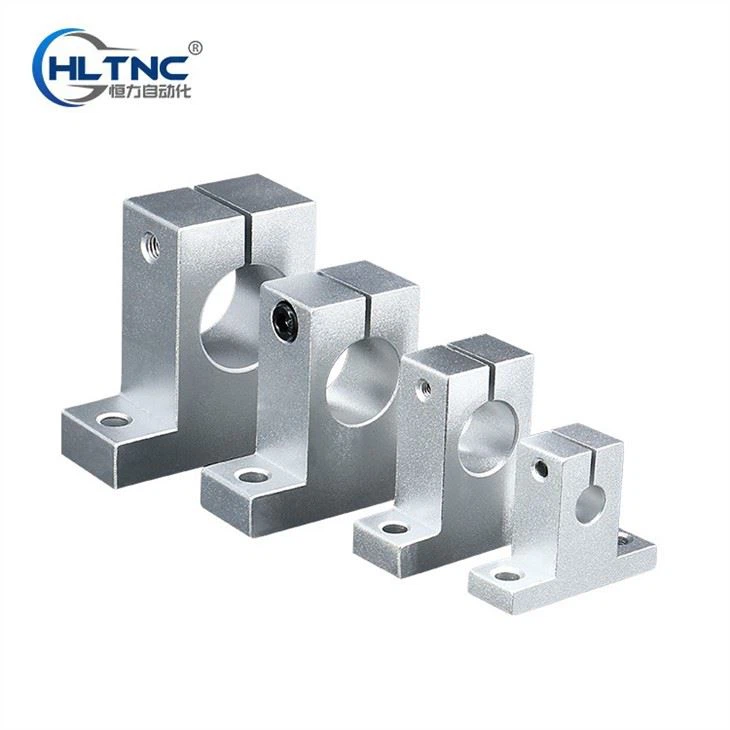
In addition to Manual Oil Pumps, we also supply other related products like CNC End Mill and SK SHF Support. CNC End Mills are used in machining operations to cut and shape materials, while SK SHF Supports are used to provide stability and support in various applications.
Conclusion
So, there you have it! That's how a manual oil pump works. It's a simple yet effective device that has a wide range of applications. Whether you're a DIYer, a professional mechanic, or a manufacturer, a manual oil pump can be a valuable tool in your arsenal.
If you're interested in purchasing a Manual Oil Pump or any of our other products, I encourage you to reach out and start a conversation. We're here to help you find the right solution for your needs. Whether you have questions about the product, need advice on which one to choose, or are ready to place an order, don't hesitate to get in touch. Let's work together to get you the equipment you need to get the job done right.
References
- Smith, John. "The Basics of Manual Oil Pumps." Industrial Equipment Journal, 2020.
- Johnson, Mary. "Applications of Manual Oil Pumps in Different Industries." Manufacturing Today, 2021.


