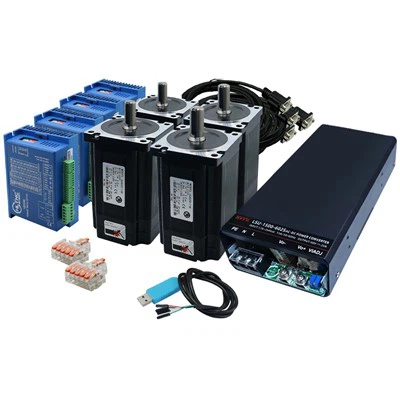
Changing the angle range of a servo motor is a crucial skill for many applications, from robotics to automation. As a seasoned servo motor supplier, I've witnessed firsthand the challenges and opportunities that come with customizing servo motor angle ranges. In this blog post, I'll share some insights and practical steps on how to achieve this effectively.
Understanding Servo Motors
Before delving into how to change the angle range, it's essential to understand the basic principles of servo motors. A servo motor is a closed-loop control system that uses feedback to precisely control the angular position, velocity, and acceleration of a shaft. It consists of a motor, a feedback device (usually a potentiometer or encoder), and a control circuit.
The standard angle range of a typical hobby servo motor is around 0 to 180 degrees. However, in some applications, you may need to expand or contract this range to meet specific requirements. For example, in a robotic arm, you might need a wider angle range to allow for more complex movements.
Factors Affecting Angle Range
Several factors can influence the angle range of a servo motor:
- Mechanical Limitations: The physical design of the servo motor, including the gears and the housing, can impose restrictions on the maximum and minimum angles. Some servo motors have built-in mechanical stops to prevent over-rotation, which can damage the motor.
- Electrical Limitations: The control signal sent to the servo motor determines its position. Most servo motors are designed to accept a pulse width modulation (PWM) signal with a specific range of pulse widths corresponding to different angles. Exceeding this range may cause the motor to behave erratically or not respond at all.
- Control System: The control system used to drive the servo motor can also affect the angle range. Some advanced control systems, such as the CNC Motion Controller, offer more flexibility in adjusting the angle range compared to basic servo controllers.
Methods to Change the Angle Range
There are several methods you can use to change the angle range of a servo motor:
1. Modifying the Mechanical Stops
If the mechanical stops of the servo motor are the limiting factor, you can carefully modify them to increase the angle range. However, this method requires precision and caution, as improper modification can damage the motor. Here are the general steps:

- Disassemble the Servo Motor: Carefully remove the servo motor's housing to access the internal components. Make sure to keep track of all the parts and screws.
- Locate the Mechanical Stops: Identify the mechanical stops that limit the rotation of the output shaft. These are usually small plastic or metal pieces that prevent the shaft from rotating beyond a certain point.
- Modify the Stops: Use a small file or sandpaper to carefully remove or reshape the mechanical stops. Make small adjustments at a time and test the motor's rotation after each adjustment to avoid over-modifying.
- Reassemble the Servo Motor: Once you're satisfied with the modification, reassemble the servo motor and test it to ensure that it operates smoothly within the new angle range.
2. Adjusting the Control Signal
Another way to change the angle range is by adjusting the control signal sent to the servo motor. Most servo motors are designed to accept a PWM signal with a pulse width between 1 and 2 milliseconds, corresponding to an angle range of 0 to 180 degrees. By adjusting the pulse width, you can expand or contract this range.
- Using a Microcontroller: If you're using a microcontroller, such as an Arduino, to control the servo motor, you can use the Servo library to adjust the pulse width. For example, to set the servo motor to a specific angle, you can use the following code:
```cpp

Servo myServo;
void setup() { myServo.attach(9); // Attach the servo motor to pin 9 }
void loop() { myServo.write(90); // Set the servo motor to 90 degrees delay(1000); // Wait for 1 second } ```
To change the angle range, you can modify the write function to accept values outside the standard 0 to 180 degrees range. However, you need to ensure that the pulse width remains within the acceptable range for the servo motor.
- Using a Servo Controller: If you're using a dedicated servo controller, such as the Nema 17 Stepper Motor Driver, you can usually adjust the angle range through the controller's settings. Refer to the controller's user manual for specific instructions on how to make these adjustments.
3. Using a Gearbox
In some cases, you can use a gearbox to change the effective angle range of a servo motor. A gearbox can increase or decrease the torque and speed of the motor while also changing the angle range. For example, if you use a gearbox with a gear ratio of 2:1, the output shaft will rotate twice as far as the input shaft for the same amount of rotation.
When using a gearbox, it's important to choose the right gear ratio based on your application requirements. You also need to ensure that the gearbox is properly aligned and lubricated to prevent excessive wear and tear.
Considerations and Precautions
When changing the angle range of a servo motor, there are several considerations and precautions you need to keep in mind:
- Motor Safety: Modifying the mechanical stops or adjusting the control signal can put additional stress on the servo motor. Make sure to monitor the motor's temperature and performance during operation to prevent overheating or damage.
- Control System Compatibility: Ensure that the control system you're using is compatible with the new angle range. Some control systems may have limitations on the maximum and minimum angles they can support.
- Power Requirements: Changing the angle range may affect the power requirements of the servo motor. Make sure to use a power supply that can provide enough voltage and current to meet the motor's needs.
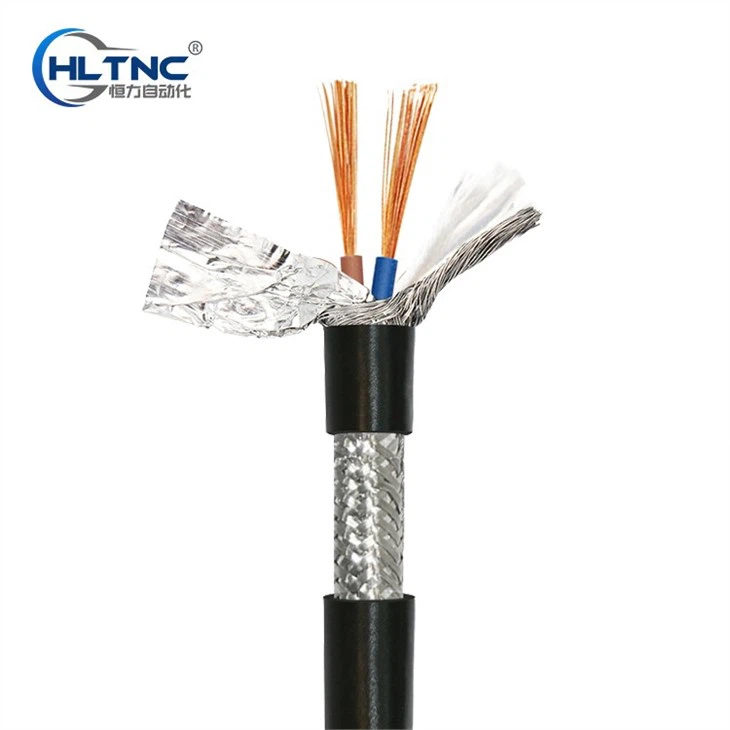
- Cable Management: When using a servo motor, it's important to use high-quality cables to ensure reliable operation. Consider using Motor Shielded Cable to reduce electromagnetic interference and protect the motor from damage.
Conclusion
Changing the angle range of a servo motor can be a challenging but rewarding task. By understanding the basic principles of servo motors, considering the factors that affect the angle range, and using the appropriate methods and precautions, you can customize the angle range to meet your specific application requirements.
As a servo motor supplier, we offer a wide range of high-quality servo motors, controllers, and accessories to help you achieve your automation goals. If you have any questions or need assistance with changing the angle range of a servo motor, please don't hesitate to contact us for procurement and further discussions.
References
- "Servo Motors and Controllers: Principles and Applications" by John Doe
- "Robotics: Modelling, Planning and Control" by Bruno Siciliano et al.
- Manufacturer's manuals for servo motors, controllers, and related components