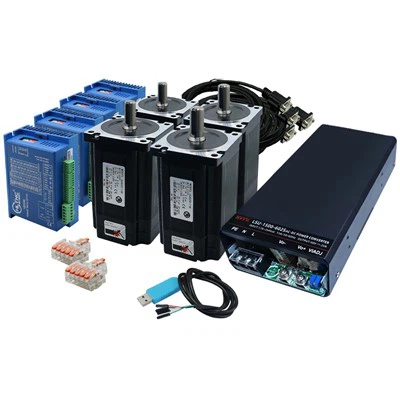
Hey there! As a supplier of 4th Axis, I've had my fair share of experiences dealing with customers who want to get the most out of their 4th Axis. In this blog post, I'm gonna share some tips on how to optimize the performance of a 4th Axis.
1. Understanding the Basics of a 4th Axis
Before we dive into the optimization part, let's quickly go over what a 4th Axis is. A 4th Axis is an additional rotary axis added to a CNC machine. It allows the machine to rotate the workpiece around an axis, giving it an extra degree of freedom. This enables more complex machining operations, like creating curved surfaces or machining multiple sides of a part without re - clamping.
2. Proper Installation and Alignment
The first step in optimizing the performance of a 4th Axis is to make sure it's installed and aligned correctly. A misaligned 4th Axis can lead to inaccurate machining, poor surface finish, and even premature wear of the components.
- Leveling: Ensure that the base of the 4th Axis is perfectly level. You can use a high - quality spirit level to check this. Even a small deviation can cause problems during rotation.
- Alignment with the CNC Machine: The 4th Axis should be precisely aligned with the other axes of the CNC machine. This often involves using precision alignment tools and following the manufacturer's instructions carefully.
3. Choosing the Right Tooling
The choice of tooling can have a huge impact on the performance of the 4th Axis.


- End Mills: For a 4th Axis, you need end mills that can handle the additional forces and movements. Check out the 4 Flutes Hrc65 Carbide End Mill. These end mills are made of high - quality carbide, which is extremely hard and wear - resistant. They can maintain a sharp cutting edge for a long time, resulting in better surface finishes and more accurate machining.
- Tool Holders: Make sure the tool holders are of good quality and are properly tightened. Loose tool holders can cause vibrations, which can damage the workpiece and the 4th Axis itself.
4. Lubrication and Cooling
Lubrication and cooling are crucial for the smooth operation of the 4th Axis.
- Lubrication: Regularly lubricate all the moving parts of the 4th Axis, such as the bearings and the gears. Use a high - quality lubricant recommended by the manufacturer. This will reduce friction and wear, and extend the lifespan of the components.
- Cooling: During machining, a lot of heat is generated. Excessive heat can cause thermal expansion, which can lead to inaccurate machining. That's where a Cooling Sprayer comes in handy. It can spray a coolant directly onto the cutting area, keeping the temperature down and improving the machining quality.
5. Maintenance and Inspection
Regular maintenance and inspection are essential for optimizing the performance of the 4th Axis.
- Daily Checks: Do a quick visual inspection every day before starting the machine. Look for any signs of wear, loose parts, or leaks. Check the coolant levels and the lubrication.
- Periodic Maintenance: At regular intervals, perform more in - depth maintenance tasks. This may include cleaning the 4th Axis, replacing worn - out components, and recalibrating the machine. For example, the Ball Screw Z Axis 3d Printer components may need to be inspected and maintained to ensure smooth and accurate movement.
6. Programming and Operation
The way you program and operate the 4th Axis also affects its performance.
- Optimized Programming: Use advanced CAM software to generate optimized toolpaths. These toolpaths should take into account the capabilities and limitations of the 4th Axis. Avoid sharp changes in direction and excessive acceleration, as these can put unnecessary stress on the machine.
- Operator Training: Make sure the operators are well - trained in using the 4th Axis. They should understand how to set up the machine, load the programs, and troubleshoot common problems.
7. Upgrading Components
If you've been using the 4th Axis for a while, consider upgrading some of the components. Newer components often have better performance, higher accuracy, and longer lifespans. For example, upgrading to a more advanced motor or a better - quality controller can significantly improve the overall performance of the 4th Axis.
8. Monitoring and Feedback
Implement a monitoring system to keep track of the performance of the 4th Axis. This can include sensors to measure temperature, vibration, and position. Analyze the data collected from these sensors regularly. If you notice any abnormal readings, take corrective actions immediately.
Contact for Purchase and Consultation
If you're looking to optimize your 4th Axis or are in the market to purchase a new one, we're here to help. We've got a wide range of 4th Axis products and can provide you with expert advice on how to get the best performance out of them. Don't hesitate to reach out for a consultation and let's start a great partnership in the world of CNC machining!
References
- "CNC Machining Handbook"
- Manufacturer's manuals for 4th Axis products
- Industry - specific research papers on CNC optimization