

Hey there! As a servo motor supplier, I often get asked about how to choose the right servo motor, and one crucial factor that comes up is the IP rating. So, let's dive into it and figure out how you can make the best choice based on this important spec.
First off, what the heck is an IP rating? Well, IP stands for Ingress Protection. It's a standard that tells you how well a servo motor is protected against solid objects and liquids. The rating is made up of two digits. The first digit shows the protection level against solids, and the second one is for liquids.
Let's start with the first digit, which deals with solids. The scale goes from 0 to 6. A rating of 0 means there's no protection at all. If you see a 1, it means the motor is protected against objects larger than 50mm. That's like your hand accidentally bumping into it. A 2 is for objects bigger than 12mm, like your finger. A 3 is for tools and wires larger than 2.5mm. A 4 is for objects larger than 1mm, which could be small screws or debris. A 5 means it's protected against dust, but some dust may still get in. And a 6 means it's totally dust - tight.
Now, think about where your servo motor is going to be used. If it's in a clean environment like an office or a well - maintained control room, you might not need a super high first - digit rating. Maybe a 2 or 3 would be enough. But if it's in a factory with lots of dust, like a woodworking shop or a mining operation, you'll want at least a 5 or 6. For example, in a sawmill, there's a ton of sawdust flying around. You don't want that getting into your motor and causing problems. So, a motor with a high first - digit IP rating is a must.
Next up is the second digit, which is all about liquid protection. The scale here goes from 0 to 9. A 0 means no protection against liquids. A 1 is for dripping water. If the motor is installed in a place where a little bit of condensation might drip on it, this could be enough. A 2 is for dripping water when the enclosure is tilted up to 15 degrees. A 3 is for spraying water, like from a light rain or a small splash. A 4 is for splashing water from any direction. A 5 is for water jets, like from a hose. A 6 is for powerful water jets, such as those used in high - pressure cleaning. A 7 means it can be immersed in water up to 1 meter for a short period. An 8 is for continuous immersion in water under certain conditions. And a 9 is for high - temperature, high - pressure water jets, which are usually found in industrial cleaning applications.
Let's say you're using the servo motor in a food - processing plant. There's a lot of cleaning going on with water jets to keep everything hygienic. In this case, you'll need at least a 5 or 6 for the second digit. If the motor is going to be in a marine environment, like on a boat, you'll want an 8 or 9 because it might be exposed to continuous water immersion.
Now, let's talk about some of the products we offer. Our Servo Motor comes in a variety of IP ratings to suit different needs. We've got motors with IP20 ratings for those clean, indoor environments. These are great for applications like small robotic arms in a lab setting. If you need something more robust, we have motors with IP67 ratings. These are perfect for outdoor use or in harsh industrial environments where there's a lot of dust and water.
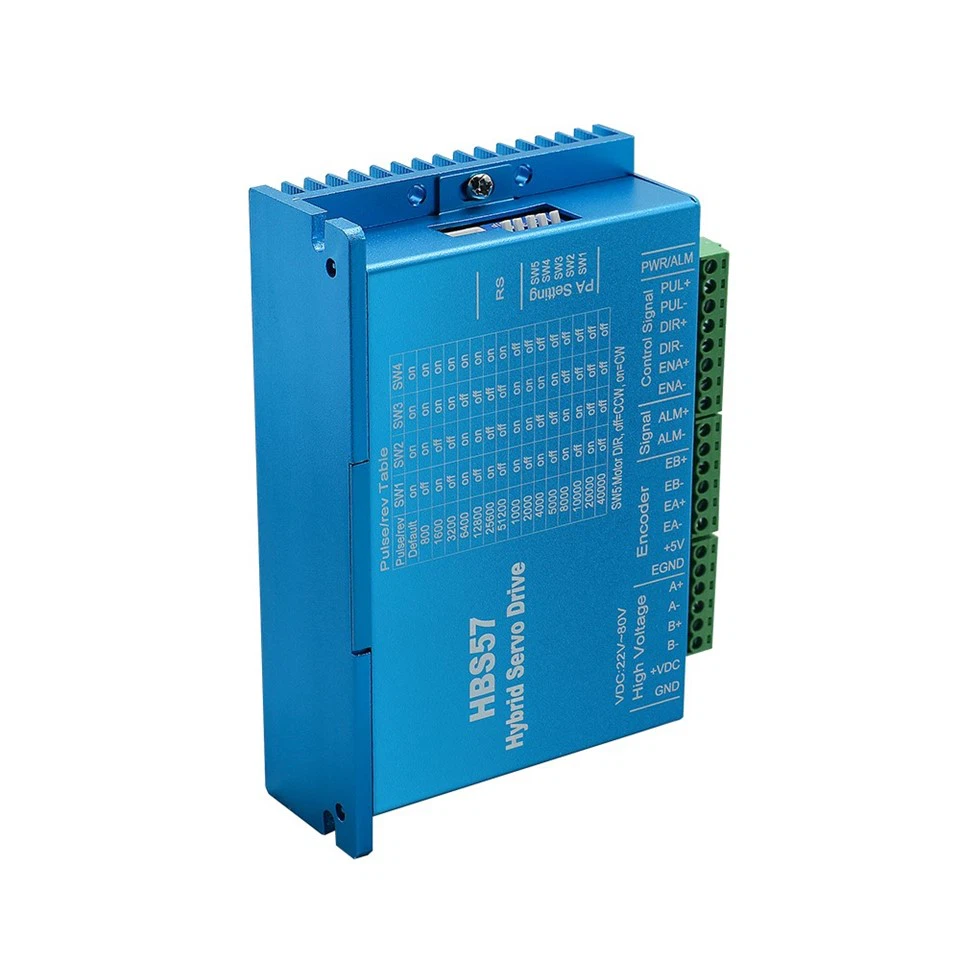
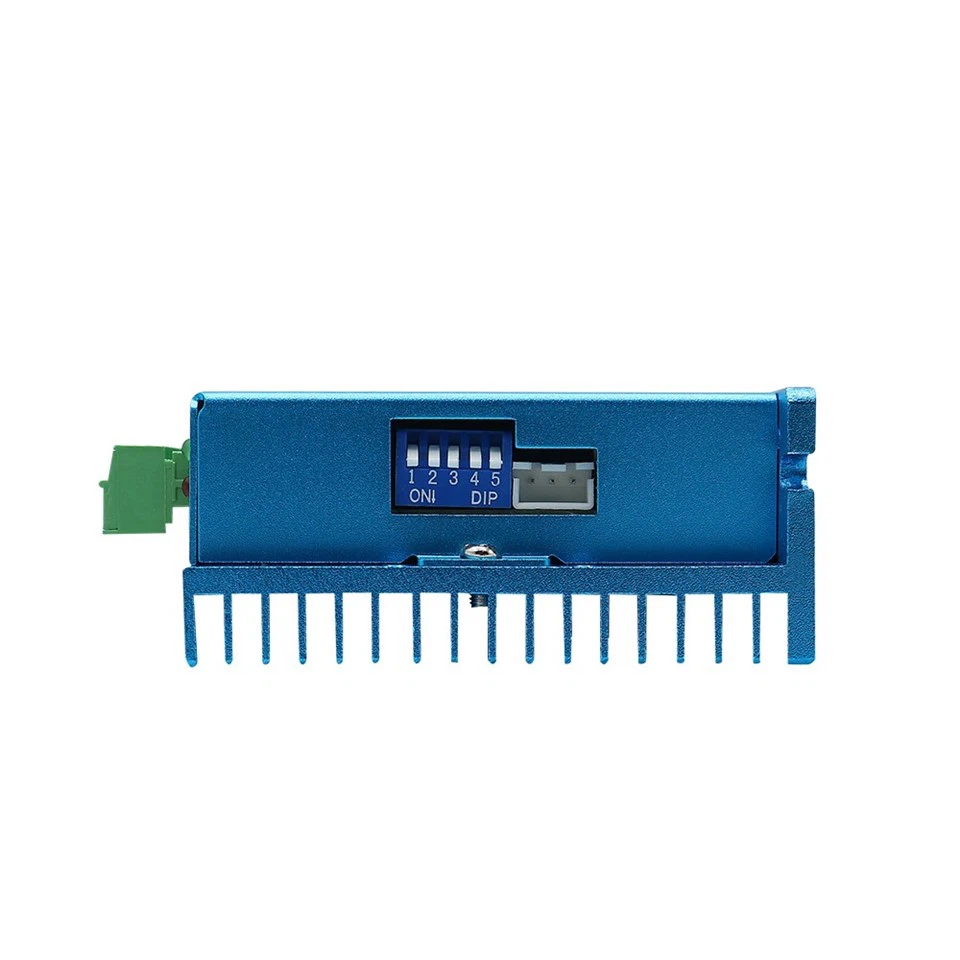
When you're choosing a servo motor, don't forget about the accessories. For example, our Motor Shielded Cable is an important part of the setup. It helps protect the electrical connections and can also contribute to the overall reliability of the system. And if you're looking for a driver, our HBS57 Stepper Driver is a great option. It works well with our servo motors and can provide precise control.
Another thing to consider is the cost. Generally, motors with higher IP ratings are more expensive. You need to balance your budget with your requirements. Sometimes, you might be able to get away with a slightly lower rating if you can take some extra precautions. For example, you could install a protective cover over the motor to enhance its protection.
It's also a good idea to think about future expansion or changes in the environment. If you think there's a chance the environment might get dirtier or wetter in the future, it might be worth investing in a motor with a higher IP rating now. That way, you won't have to replace it later.
In conclusion, choosing a servo motor based on the IP rating is all about understanding your environment and your specific needs. Take the time to assess where the motor will be used, what kind of hazards it might face, and how much you're willing to spend. And remember, we're here to help. Whether you're a small business owner looking for a motor for a simple automation project or a large corporation in need of multiple motors for a complex industrial process, we've got the products and the expertise to assist you.
If you're interested in learning more about our servo motors or have any questions about IP ratings and which motor is right for you, don't hesitate to reach out. We're always happy to have a chat and help you make the best decision for your application. Let's work together to find the perfect servo motor solution for you.
References
- International Electrotechnical Commission (IEC) standards on IP ratings.
- Industry - specific guidelines for servo motor usage in different environments.


