

Hey there! As a reducer supplier, I've been in the thick of the reducer world for quite some time. And let me tell you, testing a reducer function is no walk in the park. But don't worry, I'm here to break it down for you in a way that's easy to understand.
First off, let's talk about why testing a reducer function is so important. A reducer is a key part in many mechanical systems. It takes the high - speed input from a motor and converts it into a lower - speed, higher - torque output. This is crucial for applications where you need precise control and power, like in robotics or industrial machinery. If the reducer isn't working correctly, it can lead to all sorts of problems, from inefficiencies to complete system failures.
Understanding the Basics of a Reducer
Before we jump into testing, it's important to have a basic understanding of what a reducer is. There are different types of reducers out there, like the Nema17 Reducer, Planetary Reducer Gearbox, and Precision Planetary Reducer. Each type has its own unique features and functions, but they all share the common goal of reducing speed and increasing torque.
A planetary reducer, for example, uses a set of gears arranged in a planetary system. The input shaft is connected to the sun gear, which then drives the planet gears. These planet gears are mounted on a carrier, and the output is taken from the ring gear or the carrier. This design allows for high reduction ratios in a compact package.
Testing the Reducer Function
1. Visual Inspection
The first step in testing a reducer is a visual inspection. This might sound simple, but it can reveal a lot. Check for any signs of physical damage, like cracks, dents, or missing parts. Look at the gears to see if they're worn out. Worn gears can cause noise, vibration, and reduced efficiency.
Also, make sure all the fasteners are tight. Loose bolts or screws can lead to misalignment, which can then cause premature wear and tear. If you notice any issues during the visual inspection, it's best to address them before moving on to the next steps.
2. Lubrication Check
Lubrication is essential for the smooth operation of a reducer. Without proper lubrication, the gears will experience more friction, which can lead to overheating and damage. Check the lubricant level and its condition. If the lubricant is dirty or has a strange smell, it might need to be replaced.
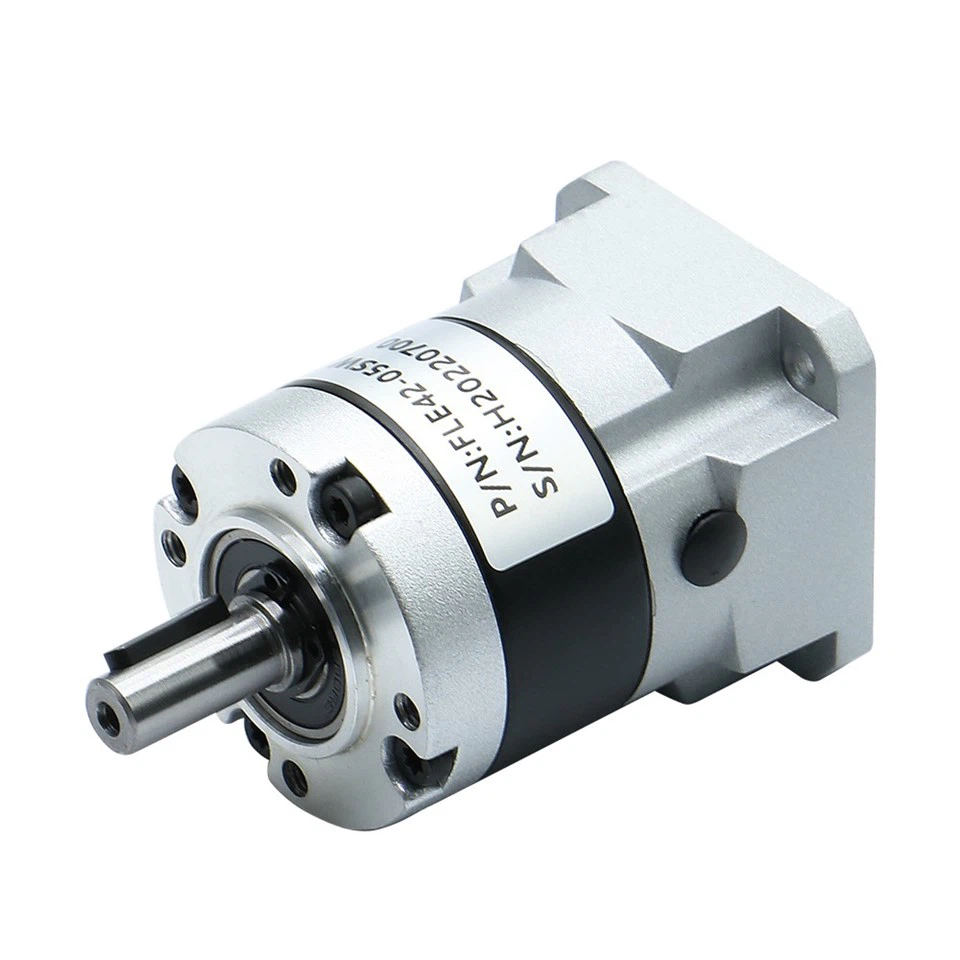

Some reducers have a sight glass that allows you to easily check the lubricant level. For others, you might need to remove a plug to get an accurate reading. Make sure to use the recommended lubricant for your specific reducer. Using the wrong type of lubricant can cause problems, so always refer to the manufacturer's guidelines.
3. Input and Output Speed Testing
One of the main functions of a reducer is to change the speed. To test this, you'll need a tachometer to measure the input and output speeds. Connect the tachometer to the input shaft and start the motor. Record the input speed. Then, connect the tachometer to the output shaft and record the output speed.
The ratio between the input and output speeds should match the specified reduction ratio of the reducer. For example, if the reducer has a 10:1 reduction ratio, the output speed should be approximately one - tenth of the input speed. If the measured ratio is significantly different from the specified one, there might be a problem with the gears or the alignment.
4. Torque Testing
Torque is another important parameter to test. You can use a torque wrench or a torque sensor to measure the torque at the input and output shafts. Apply a known load to the output shaft and measure the torque required to turn it. Then, compare this with the expected torque based on the reduction ratio and the input torque.
If the measured torque is lower than expected, it could mean that the reducer is slipping or that there's a problem with the gears. On the other hand, if the torque is higher than expected, it might indicate excessive friction or a misalignment.
5. Noise and Vibration Testing
A well - functioning reducer should operate quietly and smoothly. Excessive noise or vibration can be a sign of problems. You can use a stethoscope or a vibration sensor to detect any abnormal sounds or vibrations.
Listen for any grinding, clicking, or rattling noises. These could indicate worn gears, loose parts, or misalignment. Vibration can also be a symptom of these issues. If you notice any abnormal noise or vibration, it's important to investigate further to find the root cause.
6. Temperature Testing
During operation, the reducer will generate some heat. However, if the temperature rises too high, it can cause damage to the lubricant and the gears. Use an infrared thermometer to measure the temperature of the reducer at different points.
Most reducers have a maximum operating temperature specified by the manufacturer. If the measured temperature exceeds this limit, it could be due to insufficient lubrication, excessive load, or a mechanical problem. In such cases, you should stop the operation and troubleshoot the issue.
Interpreting the Test Results
Once you've completed all the tests, it's time to interpret the results. If all the test results are within the acceptable range, then your reducer is likely in good working condition. However, if you've noticed any issues, you'll need to take action.
For example, if the speed ratio is off, you might need to check the gears for wear or misalignment. If the torque is abnormal, you could be dealing with a slipping clutch or a problem with the gear teeth. In some cases, minor adjustments might be enough to fix the problem. In other cases, you might need to replace some parts or even the entire reducer.
Conclusion
Testing a reducer function is a multi - step process that requires attention to detail. By following these steps, you can ensure that your reducer is operating efficiently and safely. Remember, a well - maintained reducer will have a longer lifespan and will perform better in your mechanical systems.
If you're in the market for a new reducer or need help with testing and maintenance, I'm here to assist you. I've got a wide range of high - quality reducers, including the Nema17 Reducer, Planetary Reducer Gearbox, and Precision Planetary Reducer. Don't hesitate to reach out if you have any questions or if you're interested in a purchase. I'm always happy to have a chat and help you find the right solution for your needs.
References
- Machinery's Handbook: A comprehensive reference for mechanical engineering, which provides detailed information on reducers and their testing.
- Reducer Manufacturer's Manuals: These manuals offer specific guidelines for testing and maintaining their products.


