

As a reducer supplier, I've encountered numerous inquiries from customers about the differences between a reducer and a reducer selector. In this blog post, I'll delve into these concepts, explain their distinctions, and highlight their respective roles in various applications.
Understanding Reducers
A reducer, also known as a gearbox, is a mechanical device that reduces the speed of an input shaft while increasing torque. It consists of a series of gears arranged in a specific configuration to achieve the desired speed reduction ratio. Reducers are commonly used in various industries, including manufacturing, robotics, automotive, and aerospace, to transmit power and control the speed of machinery.
There are several types of reducers available on the market, each with its own unique characteristics and applications. Some of the most common types include:
- Planetary Reducers: These reducers use a set of planetary gears to achieve high torque transmission and compact design. They are widely used in robotics, automation, and precision machinery applications. For example, our Precision Planetary Reducer offers high precision and efficiency, making it ideal for applications that require accurate positioning and control.
- Helical Reducers: Helical reducers use helical gears to transmit power smoothly and quietly. They are suitable for applications that require high torque and low noise levels, such as conveyor systems, crushers, and mixers.
- Worm Reducers: Worm reducers use a worm gear and a worm wheel to achieve high reduction ratios in a compact design. They are commonly used in applications that require high torque and low speed, such as hoists, lifts, and winches.
Reducers play a crucial role in many industrial applications by providing the following benefits:
- Torque Amplification: Reducers increase the torque output of a motor, allowing it to drive heavy loads more effectively.
- Speed Reduction: By reducing the speed of the input shaft, reducers enable machinery to operate at the desired speed.
- Power Transmission: Reducers transmit power from the motor to the driven equipment, ensuring efficient operation.
- Load Distribution: Reducers distribute the load evenly across the gears, reducing wear and extending the lifespan of the equipment.
What is a Reducer Selector?
A reducer selector is a tool or software that helps users choose the right reducer for their specific application. It takes into account various factors such as the required torque, speed, power, and operating conditions to recommend the most suitable reducer model. Reducer selectors are typically provided by reducer manufacturers or suppliers to assist customers in making informed decisions.
The process of using a reducer selector usually involves the following steps:
- Input Parameters: The user enters the relevant parameters of their application, such as the input power, output torque, speed ratio, and operating environment.
- Analysis: The reducer selector analyzes the input parameters and compares them with the specifications of the available reducers in its database.
- Recommendation: Based on the analysis, the reducer selector recommends the most suitable reducer model that meets the user's requirements.
- Verification: The user can verify the recommended reducer model by checking its technical specifications, performance data, and compatibility with their existing equipment.
Reducer selectors offer several advantages for both customers and suppliers:
- Time-Saving: By automating the selection process, reducer selectors save customers time and effort in researching and comparing different reducer models.
- Accuracy: Reducer selectors use advanced algorithms and databases to ensure accurate and reliable recommendations.
- Cost-Effective: By recommending the most suitable reducer model, reducer selectors help customers avoid over- or under-specifying their equipment, resulting in cost savings.
- Technical Support: Reducer selectors are often accompanied by technical support from the manufacturer or supplier, ensuring that customers receive the necessary assistance throughout the selection process.
Key Differences between a Reducer and a Reducer Selector
Now that we have a clear understanding of what a reducer and a reducer selector are, let's highlight the key differences between them:
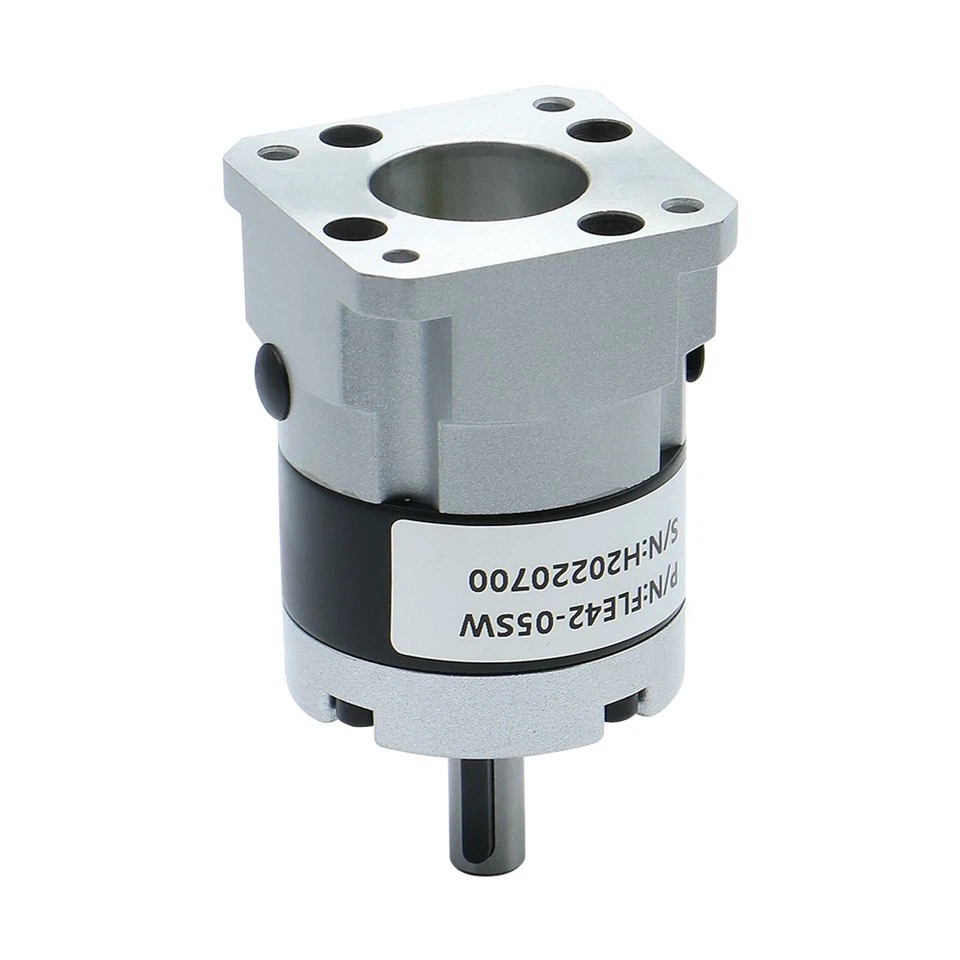

- Function: A reducer is a physical device that reduces the speed of an input shaft and increases torque, while a reducer selector is a tool or software that helps users choose the right reducer for their specific application.
- Physical vs. Virtual: A reducer is a tangible product that can be installed and used in machinery, while a reducer selector exists in the digital realm and is accessed through a computer or mobile device.
- Purpose: The primary purpose of a reducer is to transmit power and control the speed of machinery, while the primary purpose of a reducer selector is to assist users in selecting the most suitable reducer model.
- User Interaction: A reducer requires physical installation and maintenance, while a reducer selector requires user input of relevant parameters and provides recommendations based on the analysis.
Importance of Choosing the Right Reducer
Choosing the right reducer for your application is crucial to ensure optimal performance, efficiency, and reliability. A poorly selected reducer can lead to various problems, such as excessive wear, overheating, noise, and reduced lifespan of the equipment. Here are some factors to consider when choosing a reducer:
- Torque Requirements: Determine the required torque output based on the load and operating conditions of your application. Choose a reducer with a torque rating that exceeds the maximum torque requirements to ensure reliable operation.
- Speed Ratio: Calculate the required speed ratio based on the input and output speeds of your application. Select a reducer with a speed ratio that matches your requirements.
- Power Rating: Consider the power rating of the motor and the driven equipment to ensure that the reducer can handle the required power.
- Operating Environment: Take into account the operating environment, such as temperature, humidity, dust, and vibration, when selecting a reducer. Choose a reducer that is suitable for the specific operating conditions to ensure long-term reliability.
- Mounting Configuration: Determine the mounting configuration of the reducer based on the available space and the requirements of your application. Choose a reducer with a mounting configuration that is compatible with your equipment.
Conclusion
In conclusion, a reducer is a mechanical device that reduces the speed of an input shaft and increases torque, while a reducer selector is a tool or software that helps users choose the right reducer for their specific application. Understanding the differences between these two concepts is essential for making informed decisions when selecting and using reducers in various industrial applications.
As a reducer supplier, we are committed to providing our customers with high-quality reducers and comprehensive technical support. Our Nema 23 Planetary Gearbox and Nema17 Reducer are designed to meet the diverse needs of our customers, offering high performance, reliability, and efficiency.
If you are looking for a reliable reducer supplier or need assistance in selecting the right reducer for your application, please don't hesitate to contact us. Our team of experts will be happy to help you find the best solution for your needs.
References
- "Gearboxes and Speed Reducers: Types, Applications, and Selection," Machinery Lubrication, accessed [Date].
- "Reducer Selection Guide," [Manufacturer Name], accessed [Date].


