What is the vibration of a ball screw? Well, as a ball screw supplier, I've seen firsthand how this phenomenon can impact the performance of these crucial components. Let's dive into what ball screw vibration is, what causes it, and how it affects your machinery.
Understanding Ball Screw Basics
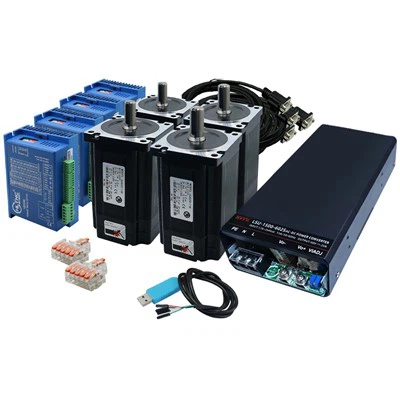
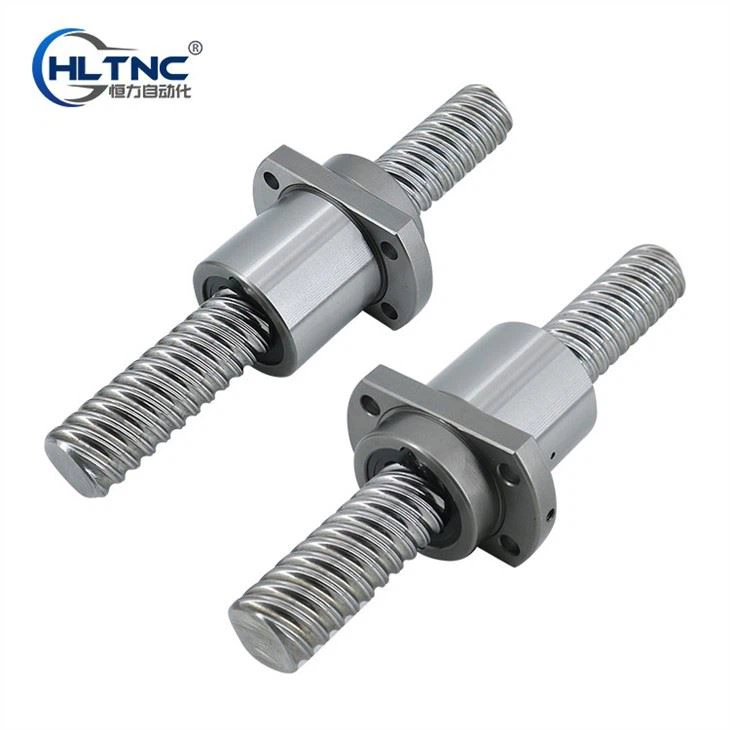
Before we get into vibration, let's quickly go over what a ball screw is. A ball screw is a mechanical device used to convert rotational motion into linear motion, or vice versa. It consists of a screw shaft, a nut, and a series of balls that roll between them. This design reduces friction and allows for high precision and efficiency in various applications, from CNC machines to robotics.
We offer different types of ball screws, like SFU Ball Screw, SFE Ball Screw, and DFU Ball Screw. Each type has its own unique features and is suitable for different applications.
What is Ball Screw Vibration?
Ball screw vibration refers to the unwanted oscillatory motion that occurs during the operation of the ball screw. It can manifest in different forms, such as axial vibration, radial vibration, or torsional vibration. Axial vibration is movement along the axis of the screw, radial vibration is perpendicular to the screw axis, and torsional vibration involves twisting of the screw.
Causes of Ball Screw Vibration
There are several factors that can cause ball screw vibration:
1. Unbalanced Load
If the load on the ball screw is not evenly distributed, it can lead to vibration. For example, in a machine where the workpiece is not centered properly, one side of the ball screw may bear more load than the other. This uneven loading can cause the ball screw to vibrate as it tries to move the load.
2. Misalignment
Misalignment occurs when the ball screw is not properly installed or when the components connected to it are not in the correct position. This can include misalignment between the screw shaft and the motor, or between the nut and the driving mechanism. Even a small misalignment can create uneven forces on the ball screw, resulting in vibration.
3. Worn - Out Components
Over time, the balls, raceways, and other parts of the ball screw can wear out. As the components wear, the smooth rolling action of the balls is affected. Worn - out parts can lead to gaps, uneven contact, and increased friction, all of which can cause vibration.
4. Resonance
Resonance is a phenomenon that occurs when the natural frequency of the ball screw system matches the frequency of the external excitation. When this happens, the vibration amplitude can increase significantly. External excitation can come from various sources, such as the operation of the motor, the movement of other machine components, or even the surrounding environment.
Effects of Ball Screw Vibration
The vibration of a ball screw can have several negative effects:
1. Reduced Precision
In precision applications, even a small amount of vibration can cause errors in positioning. For example, in a CNC milling machine, vibration can lead to rough surfaces, inaccurate hole drilling, or poor contouring. This can result in defective products and increased waste.
2. Increased Wear and Tear
Vibration increases the stress on the ball screw components. The constant oscillatory motion can cause the balls and raceways to wear out faster. This not only shortens the lifespan of the ball screw but also increases the maintenance and replacement costs.
3. Noise and Safety Issues
Excessive vibration can generate a significant amount of noise. This can be a nuisance in the workplace and may even violate noise regulations. Additionally, severe vibration can loosen connections and fasteners, potentially leading to safety hazards.
Detecting and Measuring Ball Screw Vibration
There are several ways to detect and measure ball screw vibration:

1. Visual Inspection
Sometimes, you can detect vibration through visual inspection. Look for signs of excessive movement, such as rattling or shaking of the ball screw assembly. You may also notice wear marks or damage on the components that could be caused by vibration.
2. Vibration Sensors
Vibration sensors are commonly used to measure the amplitude and frequency of vibration. These sensors can be attached to the ball screw or its supporting structure. The data collected by the sensors can be analyzed to determine the cause and severity of the vibration.
3. Machine Monitoring Systems
Many modern machines are equipped with machine monitoring systems that can detect and analyze vibration. These systems can provide real - time information about the condition of the ball screw and alert operators when vibration levels exceed a certain threshold.
Reducing Ball Screw Vibration
Here are some ways to reduce ball screw vibration:
1. Proper Installation
Ensure that the ball screw is installed correctly. This includes proper alignment, tightening of fasteners, and correct mounting. Follow the manufacturer's installation instructions carefully to minimize the risk of misalignment and vibration.
2. Balanced Loading
Make sure that the load on the ball screw is evenly distributed. This may involve adjusting the position of the workpiece or using additional support structures.
3. Regular Maintenance
Perform regular maintenance on the ball screw. This includes lubrication, inspection of components for wear, and replacement of worn - out parts. Regular maintenance can keep the ball screw in good condition and reduce the likelihood of vibration.
4. Damping Solutions
Damping devices can be used to reduce vibration. These devices absorb the energy of the vibration and convert it into heat, thereby reducing the amplitude of the vibration.
If you're experiencing issues with ball screw vibration in your machinery, or if you're looking for high - quality ball screws to prevent such problems, we're here to help. As a trusted ball screw supplier, we have the expertise and the products to meet your needs. Whether you need SFU Ball Screw, SFE Ball Screw, or DFU Ball Screw, we can provide you with the right solution. Don't hesitate to reach out to us to discuss your requirements and start a purchasing negotiation.
References
- "Mechanical Design of Machine Elements and Machines: A Failure - Prevention Perspective" by Bose, A. K.
- "Handbook of Ball Screw Design and Application"