

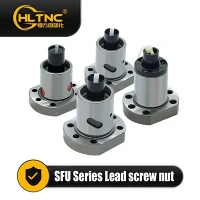
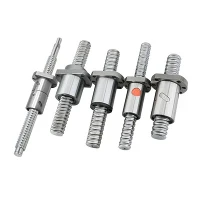
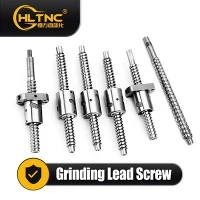
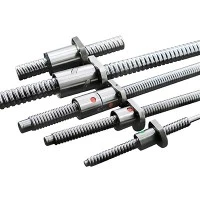

SFU Ball Screw Nut
A nut is a spare part, and it is the part that wears
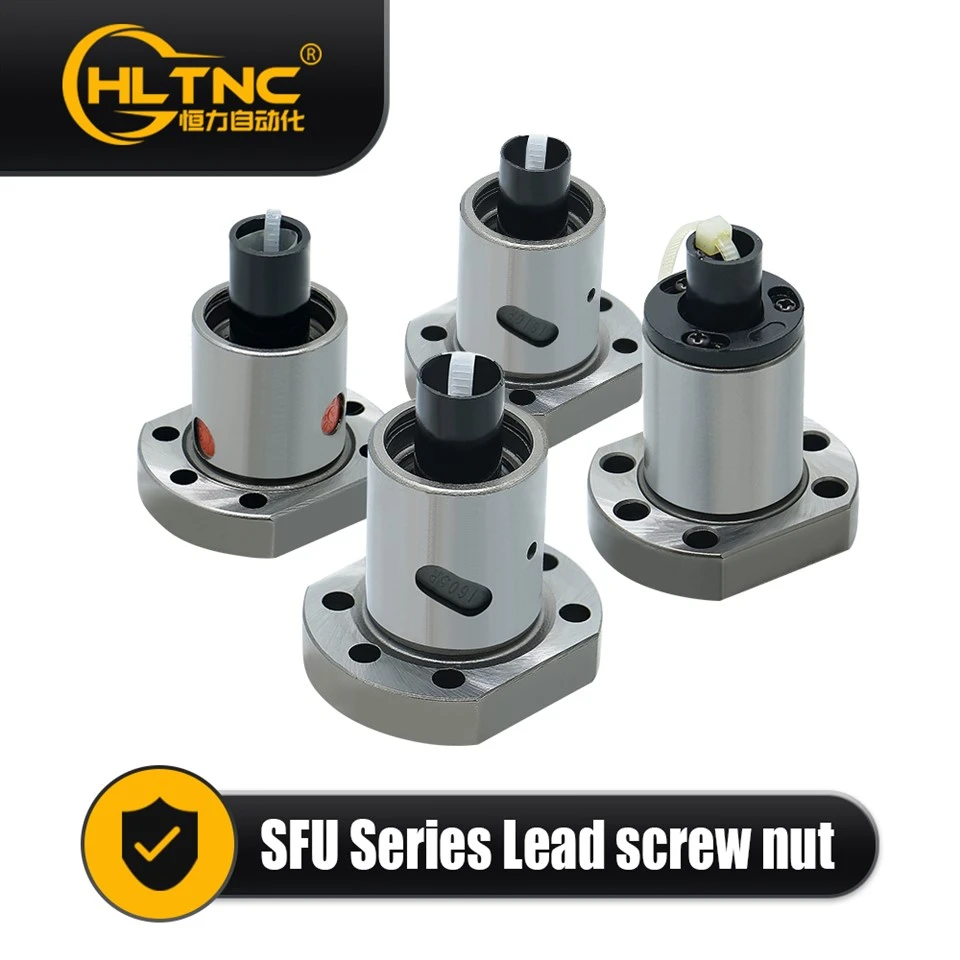
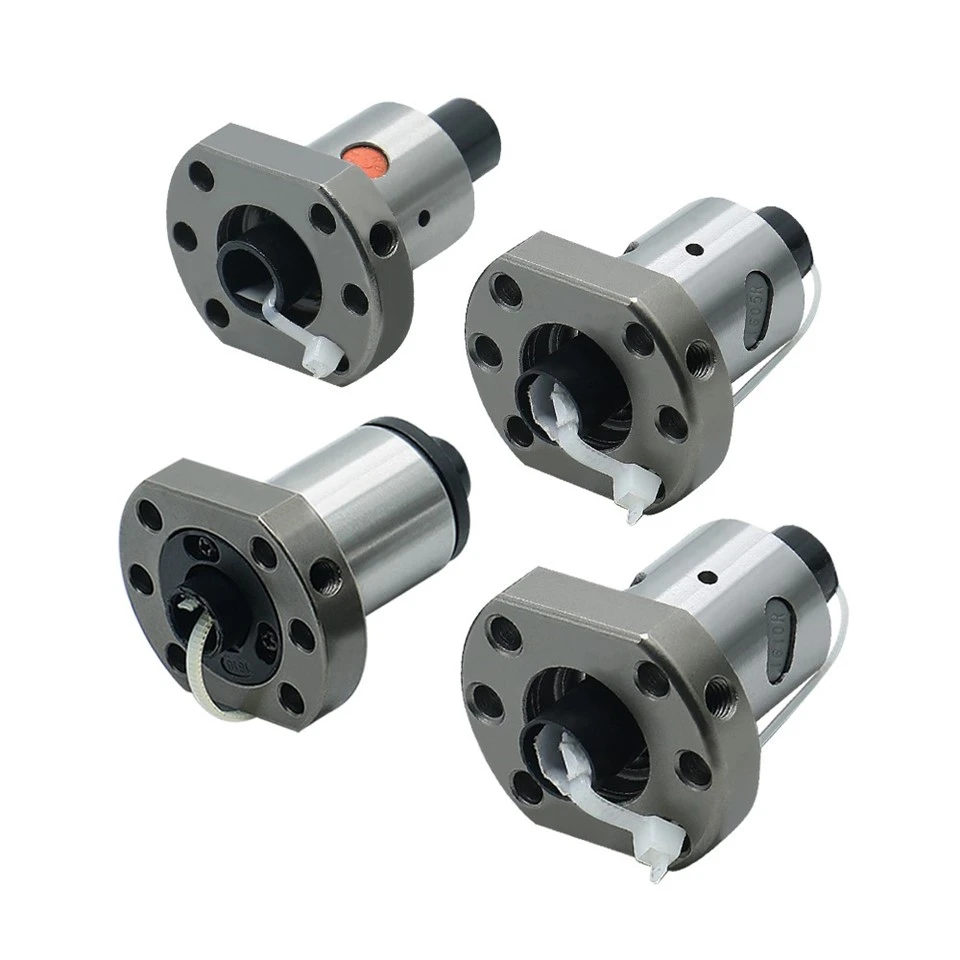
The screw in a ball screw assembly is usually the last thing to fail. The nut is where the wear happens: the balls and the return path take the cycles, the seals take the dirt, and the nut is what you replace when an axis starts to feel rough or loses preload. This page lists the SFU single nuts on their own, so a worn nut can be replaced without buying a whole new screw.
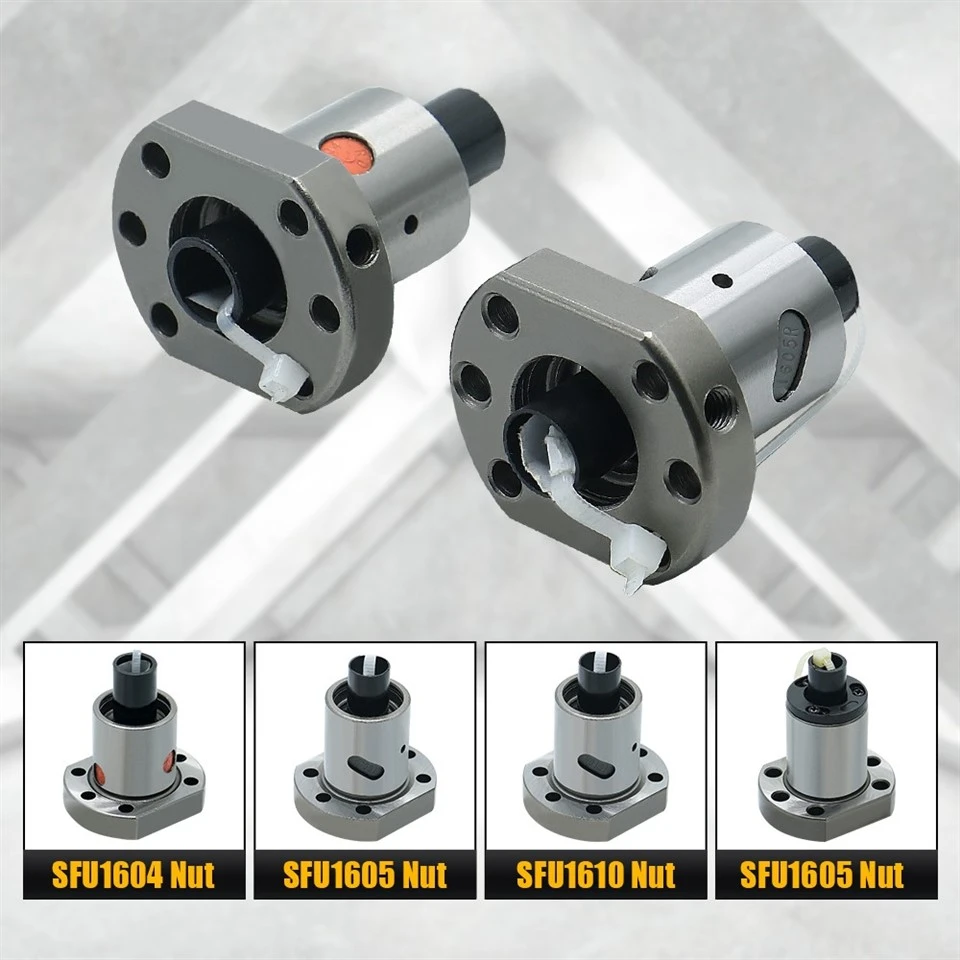
The nuts here fit the standard SFU screw geometry. The model number of the nut matches the screw it belongs to - an SFU1605 nut goes on a 16 mm shaft with a 5 mm lead, and shares the bolt pattern of every other SFU1605 screw. That is what makes a nut replaceable in the first place: the flange and the bore are standardised within the series.
Two things decide which nut you need beyond the model number. The circuit count in the suffix sets the load capacity - more circuits, more load, longer nut. And the flange type sets whether the nut is bolted by its own flange or clamped in a housing, which is what the D3 to D5 dimensions below tell you.
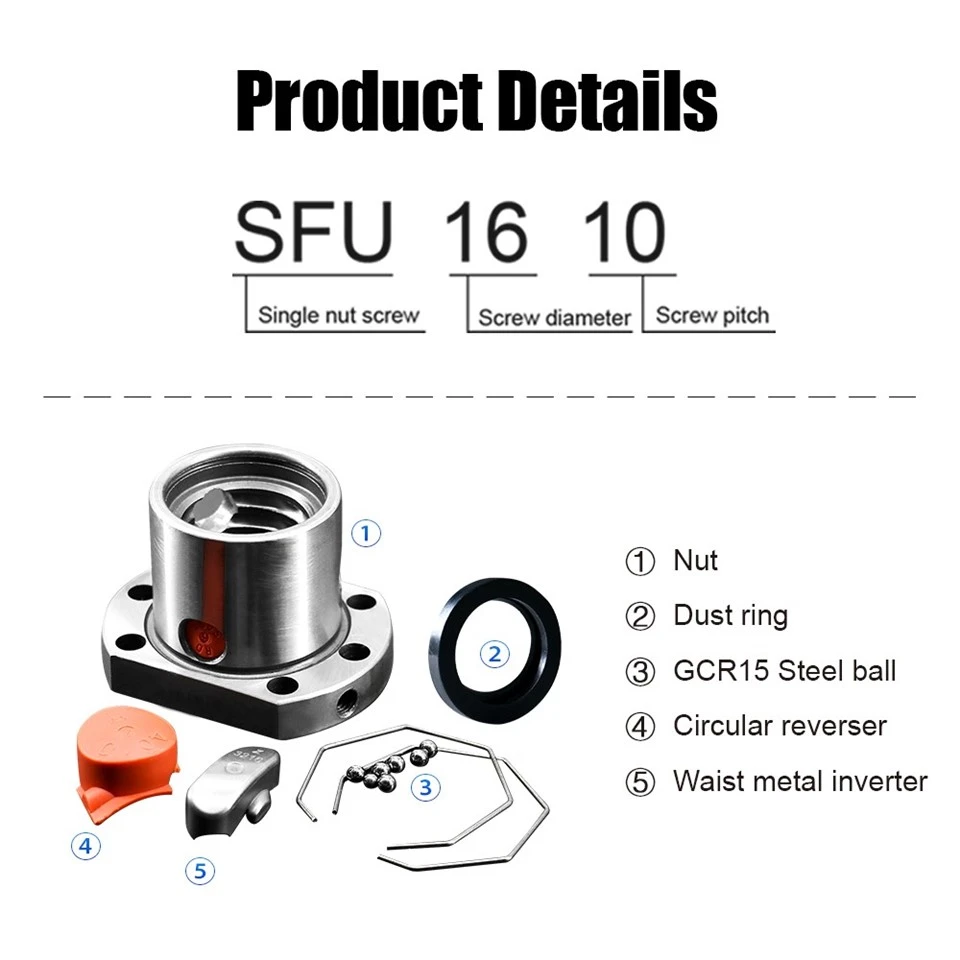
How the model number reads
SFU1605 carries three pieces of information: the letters name the series and the nut type, then the shaft diameter in millimetres, then the lead. So SFU1605 is the single nut for a 16 mm screw with a 5 mm lead. Adding the circuit suffix gives the complete nut reference: SFU1605-3 or SFU1605-4.
The SFS1616 nut listed below is the same kind of part for the SFS series - a 16 mm shaft with a 16 mm lead. If your screw is an SFS, quote the SFS nut; the flange is not interchangeable with SFU.
Nut dimensions
SFU single nut, all 24 models (mm)
| Model No | Bore D1 | D2 | Flange D3 | PCD D4 | Bolt hole D5 | Nut length L1 | Flange L2 | B | Oil hole G | H1 |
|---|---|---|---|---|---|---|---|---|---|---|
| SFU1204-3 | 22 | 21.5 | 42 | 32 | 4.8 | 35 | 10 | 8 | M6*1 | 30 |
| SFU1604-3 | 28 | 27.5 | 48 | 38 | 5.5 | 36 | 10 | 10 | M6*1 | 40 |
| SFU1605-3 | 28 | 27.8 | 48 | 38 | 5.5 | 42 | 10 | 10 | M6*1 | 40 |
| SFU1605-4 | 28 | 27.8 | 48 | 38 | 5.5 | 50 | 10 | 10 | M6*1 | 40 |
| SFU1610-3 | 28 | 27.8 | 48 | 38 | 5.5 | 42 | 10 | 10 | M6*1 | 40 |
| SFU2005-3 | 36 | 27.8 | 58 | 47 | 6.7 | 42 | 10 | 10 | M6*1 | 44 |
| SFU2005-4 | 36 | 35.8 | 58 | 47 | 6.7 | 51 | 10 | 10 | M6*1 | 44 |
| SFU2010-2 | 36 | 35.8 | 58 | 47 | 6.7 | 42 | 10 | 10 | M6*1 | 40 |
| SFU2010-4 | 36 | 35.8 | 58 | 47 | 6.7 | 52 | 10 | 10 | M6*1 | 40 |
| SFU2504-3 | 40 | 39.5 | 62 | 51 | 6.6 | 40 | 10 | 10 | M6*1 | 48 |
| SFU2505-3 | 40 | 39.5 | 62 | 51 | 6.6 | 42 | 10 | 10 | M6*1 | 48 |
| SFU2505-4 | 40 | 39.5 | 62 | 51 | 6.6 | 51 | 10 | 10 | M6*1 | 48 |
| SFU2510-3 | 40 | 39.5 | 62 | 51 | 6.8 | 55 | 16 | 15 | M6*1 | 48 |
| SFU2510-4 | 40 | 39.5 | 62 | 51 | 6.8 | 85 | 16 | 12 | M6*1 | 48 |
| SFU3205-3 | 50 | 49.5 | 80 | 65 | 9 | 52 | 10 | 12 | M6*1 | 62 |
| SFU3205-4 | 50 | 49.5 | 80 | 65 | 9 | 85 | 10 | 12 | M6*1 | 62 |
| SFU3210-4 | 60 | 49.5 | 80 | 65 | 9 | 74 | 16 | 12 | M8*1 | 62 |
| SFU4005-5 | 63 | 62.5 | 93 | 78 | 9 | 55 | 10 | 14 | M8*1 | 70 |
| SFU4010-4 | 63 | 62.5 | 93 | 78 | 9 | 71 | 16 | 14 | M8*1 | 70 |
| SFU4020-6 | 63 | 62.5 | 93 | 78 | 9 | 94 | 16 | 14 | M8*1 | 70 |
| SFU5005-4 | 71 | 70.5 | 110 | 93 | 9 | 56 | 16 | 14 | M8*1 | 85 |
| SFU5010-4 | 75 | 74.8 | 110 | 93 | 11 | 95 | 16 | 16 | M8*1 | 85 |
| SFU6310-4 | 90 | 89.5 | 125 | 108 | 11 | 97 | 16 | 18 | M8*1 | 95 |
| SFU8010-6 | 105 | 104.5 | 150 | 125 | 13.5 | 101 | 16 | 25 | M8*1 | 110 |
Dimensions transcribed from the manufacturer catalogue page 25 and cross-checked against the dimension drawings supplied for SFU1604, SFU1605, SFU1610 and SFS1616. D1 is the bore, D3 the flange diameter, D4 the bolt circle, D5 the bolt hole, L1 the overall nut length, L2 the flange thickness, G the oil hole thread. H1 is the flange width across flats.
Load rating and circuit count
SFU single nut, load and circuits
| Model No | Circuits | Flange type | Ball dia | Ca kN | Coa kN |
|---|---|---|---|---|---|
| SFU1204-3 | 3 | d≤32 | 2.381 | 4 | 6.7 |
| SFU1604-3 | 3 | d≤32 | 2.381 | 4.35 | 9.2 |
| SFU1605-3 | 3 | d≤32 | 3.175 | 7.65 | 13.2 |
| SFU1605-4 | 4 | d≤32 | 3.175 | 8 | 14 |
| SFU1610-3 | 2 (double start) | d≤32 | 2.778 | 7.36 | 12.75 |
| SFU2005-3 | 3 | d≤32 | 3.175 | 8.6 | 17.1 |
| SFU2005-4 | 4 | d≤32 | 3.175 | 9 | 18 |
| SFU2010-2 | 2 (double start) | d≤32 | 3.175 | 8.35 | 16.8 |
| SFU2010-4 | 4 (double start) | d≤32 | 3.175 | 8.35 | 16.8 |
| SFU2504-3 | 3 | d≤32 | 2.381 | 9.1 | 26.5 |
| SFU2505-3 | 3 | d≤32 | 3.175 | 9.8 | 23 |
| SFU2505-4 | 4 | d≤32 | 3.175 | 10 | 24 |
| SFU2510-3 | 3 | d≤32 | 4.763 | 8.7 | 20.5 |
| SFU2510-4 | 4 | d≤32 | 4.763 | 9 | 20.5 |
| SFU3205-3 | 5 | d≤32 | 3.175 | 16.9 | 51 |
| SFU3205-4 | 4 | d≤32 | 3.175 | 17.2 | 52 |
| SFU3210-4 | 4 | d≤32 | 6.35 | 26.1 | 53.1 |
| SFU4005-5 | 5 | d≥40 | 3.175 | 19 | 66.2 |
| SFU4010-4 | 4 | d≥40 | 6.35 | 30.1 | 71 |
| SFU4020-6 | 6 | d≥40 | 6.35 | 32 | 73 |
| SFU5005-4 | 4 | d≥40 | 3.175 | 47.2 | 117.8 |
| SFU5010-4 | 4 | d≥40 | 6.35 | 53.1 | 155 |
| SFU6310-4 | 4 | d≥40 | 6.35 | 60.7 | 206 |
| SFU8010-6 | 6 | d≥40 | 6.35 | 66.6 | 265 |
Ca is the basic dynamic rating and Coa the basic static rating, in kN as printed. The suffix in the model number is the number of ball circuits: SFU1605-4 carries 8 kN against 7.65 kN for SFU1605-3, in a nut 8 mm longer.
Weight
Nuts weighed individually
| Nut | Weight |
|---|---|
| SFU1604 Nut | 153.0 g |
| SFU1605 Nut | 166.1 g |
| SFU1610 Nut | 159.1 g |
| SFS1616 Nut | 187.3 g |
These are the weights given in the product material for the four sizes listed. Weight for the other models in the table above is available on request - it is not published, so it is not quoted here.
What is inside the nut
- Nut body - the flanged shell that carries the load and bolts to the carriage
- Dust ring - wipes the screw as it runs, keeping chips and swarf out of the circuit
- GCR15 steel balls, G10 grade - the rolling elements; the grade is the ball roundness class, and G10 is a tighter class than the balls in a general-purpose nut
- Circular reverser - the return tube that carries the balls from the end of the circuit back to the start
- Waist reverser - the metal insert used instead of a return tube on the smaller nut bodies
The consequence of that build, as the manufacturer puts it: high speed and low noise, and a nut that resists wear for longer. The balls are the part that carries the load; the reverser is the part that sets how quietly and how fast the nut can run.
Where these nuts are used
The nut is chosen by the axis, and the axes this range goes into are:
- 3D printers - small sizes, where a smooth nut matters more than load
- CNC machines - the general case, from routers to milling axes
- Textile machinery - long stroke, continuous running, low noise
- Cutting machines - plasma, laser and knife tables, where the nut has to keep its position through reversing moves
How they are packed
Each nut is packed individually: a professional carton, the nut wrapped in EPE foam inside it, then the box closed. That is what the product material shows, and it is the same packing whether you order one nut or a box of them.
If a nut is going into spares stock, keep it in its box until it is fitted. A nut that has been knocked about will not run smoothly, and the damage is not visible from outside.
Questions we are asked about SFU nuts
Can I replace just the nut, or do I need the whole screw? Just the nut, provided the screw thread is still good. Run a finger along the thread: if you can feel a ridge or a burr where the old nut sat, the screw is worn and a new nut will not fix it.
The new nut feels tight on the screw - is that wrong? No. A new nut is preloaded and has not bedded in. Run it through the stroke by hand a few times and it should free up. If it locks, stop and tell us - do not force it.
Is the nut preloaded, and can I adjust it? A single nut carries whatever internal clearance the manufacturer builds in; that is not adjustable on these models. If you need zero backlash, use a DFU double nut, where the two nuts are adjusted against each other.
Do the flange dimensions match my old nut? On a standard SFU they should - that is the point of the series. Check D3, D4 and D5 against the table above before ordering; if your nut differs, send us a photo of the old flange and we will identify it.
Other series in the range
- SFU single nut screw
- DFU double nut screw
- SFE large lead screw
- SFS wide-range screw
- SFH / SFA ground screw
- Nut holder (DSG / BSG)
- Support units (BK/BF/EK/EF/FK/FF)
The DSG and BSG nut holders on that list are the brackets that carry a nut to the carriage, if you need one of those as well.
Ask us about an SFU nut
Send the complete nut reference, including the circuit suffix, or the model number of the screw it is going on. If you only have the old nut, a photo of the flange and the measurement across D3 and D4 is enough for us to identify it.
Hot Tags: sfu ball screw nut, ball screw nut, sfu1605 nut, sfu1604 nut, sfu1610 nut, ball nut for ball screw, single nut ball screw, sfu nut, ball screw nut supplier, sfs1616 nut, aluminium linear rail, circular linear rail, EGR20, linear guide for aerospace industry, linear guide for delivery service, linear guide for elevators
Previous
No InformationYou Might Also Like




Send Inquiry